

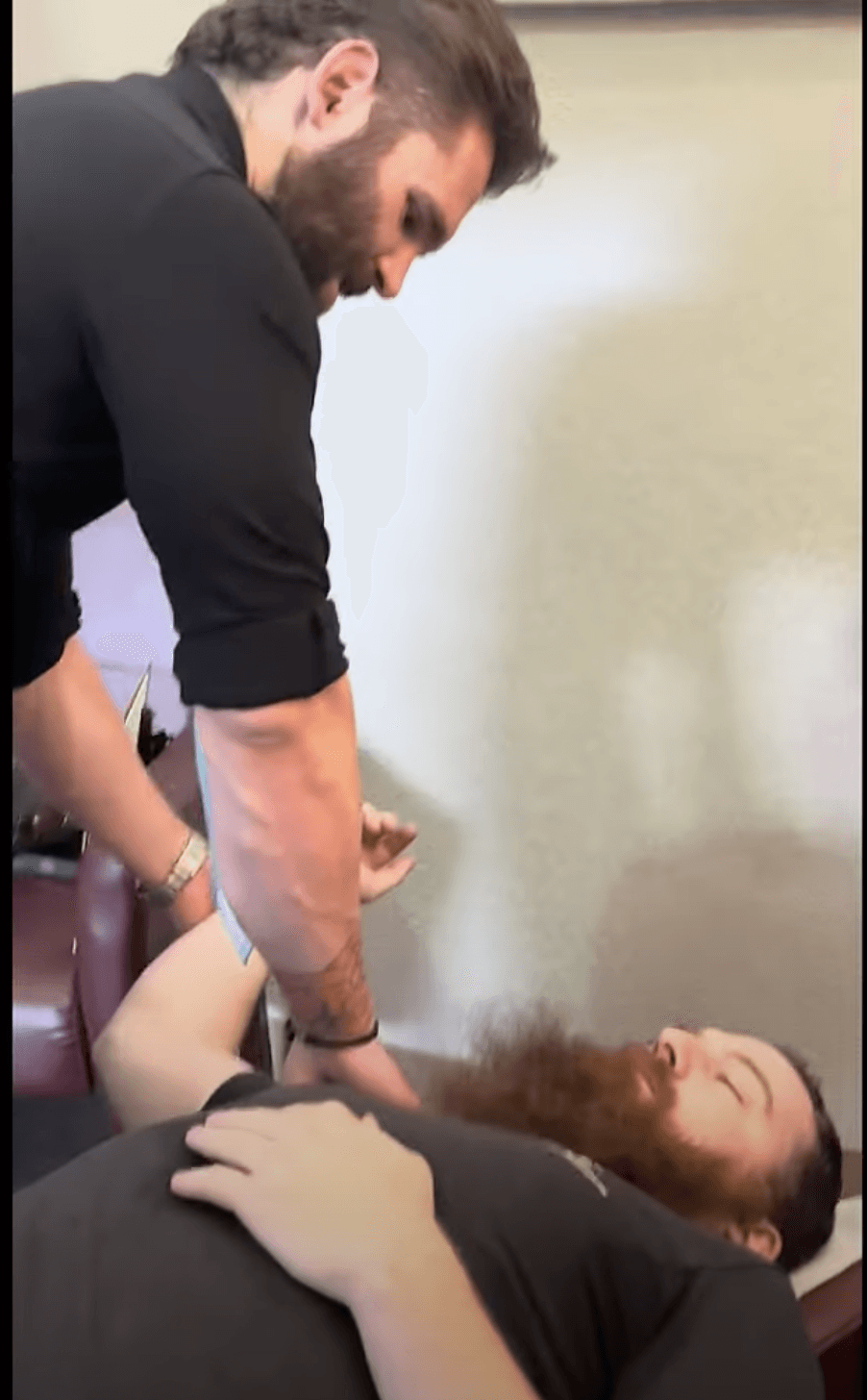
Dustin Lewey, a construction worker and outdoor enthusiast from Colorado Springs, faced a life-altering challenge when a series of construction-related back injuries left him with multiple herniated discs and severely limited mobility. After exhausting options with seven chiropractors, 15 specialists, and eight pain medications without success, Lewey found hope at Thrive Health Systems under the care of Dr. Molly Kallenbach, DC. Lewey's active lifestyle, which included rock climbing and river rafting, was abruptly halted by his injuries, confining him to his basement and making everyday tasks like climbing stairs a struggle. Despite the pain, he continued working in construction, exacerbating his condition.
The turning point came when he enrolled in a unique program at Thrive Health Systems, combining Functional Movement Training (FMT), Spinal Decompression, and specific Chiropractic Adjustments, alongside at-home exercises, all without surgery or medication. Today, Lewey has dramatically reduced his medication from eight to just two and has fully regained his mobility, allowing him to return to kayaking, perform handstands, and enjoy activities with his sons. "This place has given me my life back," Lewey shared, reflecting on his recovery. Dr. Kallenbach emphasized the importance of addressing the root cause of pain, a philosophy that has enabled patients like Lewey to reclaim their lives.
Thrive Health Systems has become a cornerstone of hope in Colorado Springs, offering non-surgical, drug-free solutions for those suffering from back pain, herniated discs, and mobility issues. Their approach not only alleviates symptoms but also empowers individuals to return to the activities they love, marking a significant advancement in pain management and recovery. This case demonstrates the potential for alternative treatments to provide relief where traditional medical interventions have failed, offering a model that could influence broader healthcare practices for chronic pain conditions. The success story underscores the importance of personalized, holistic care in addressing complex injuries, potentially reducing long-term dependency on medications and invasive procedures.
The implications extend beyond individual recovery, suggesting that similar non-surgical approaches could help address the opioid crisis by providing effective pain management alternatives. For construction workers and others in physically demanding professions, this treatment model offers hope for maintaining careers without sacrificing health. The program's focus on functional recovery rather than mere symptom suppression represents a shift in how chronic pain is treated, emphasizing sustainable lifestyle improvements over temporary fixes. As healthcare costs continue to rise, such drug-free solutions may prove economically beneficial while delivering superior patient outcomes, challenging conventional medical paradigms about injury recovery and pain management.