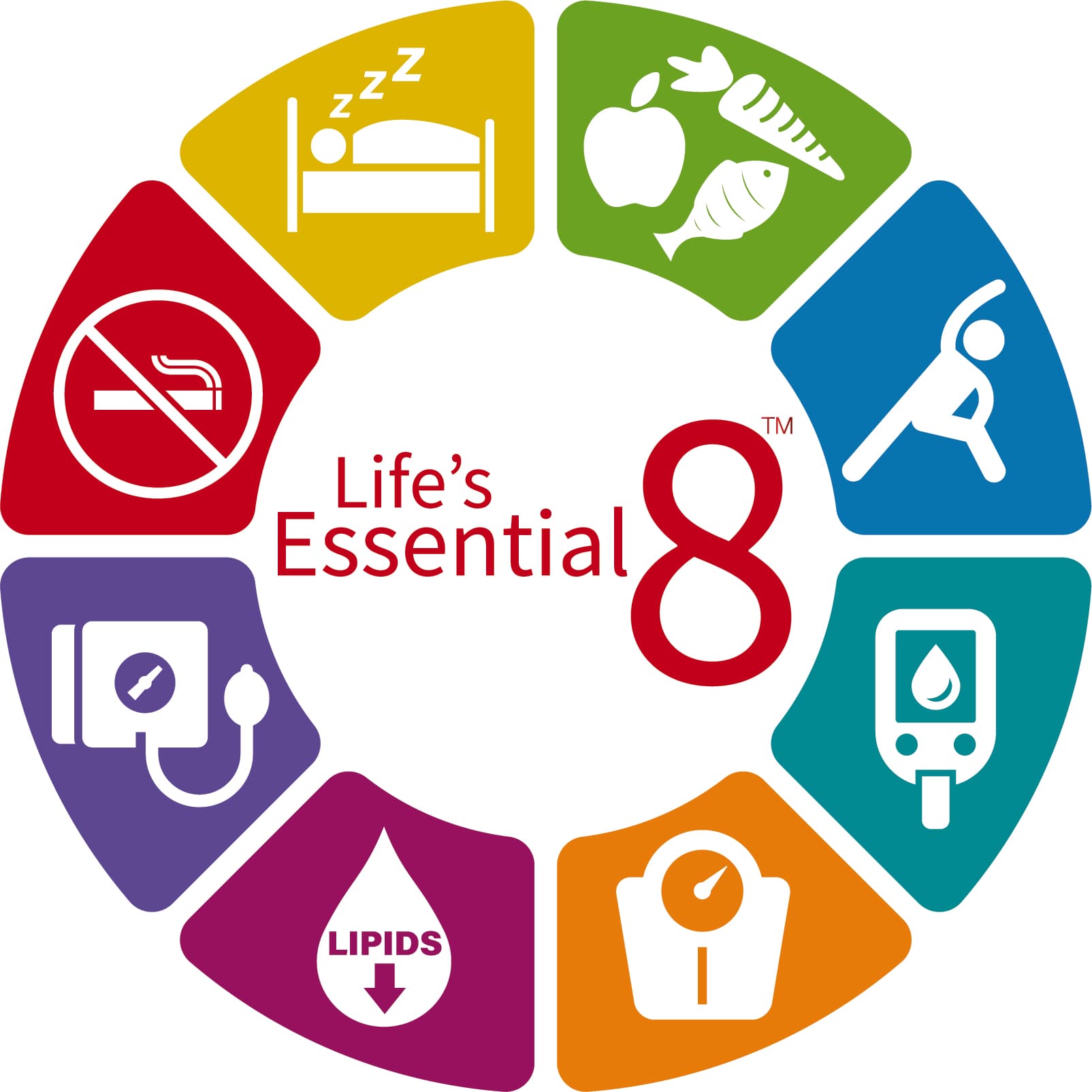
The American Heart Association, in partnership with the NFL Alumni Association, is launching a campaign during Men's Health Week, June 9-15, to emphasize the importance of Life's Essential 8™. These eight measures are crucial in preventing heart disease and stroke, which are leading causes of death and disability among men in the United States. The initiative includes a series of public service announcement videos featuring former NFL players, each focusing on one of the eight health components. Life's Essential 8 encompasses managing weight, blood pressure, cholesterol, and blood sugar, alongside adopting a healthy diet, engaging in physical activity, avoiding tobacco, and ensuring adequate sleep. Nancy Brown, CEO of the American Heart Association, highlighted the organization's commitment to improving public health and the significance of this collaboration in reaching men where they are to encourage healthier lifestyles.
The campaign, chaired by Ken Coffey, a former NFL safety and senior vice president of the NFL Alumni Association, leverages the influence of former players to educate both retired athletes and the general public on reducing health risks. The measures are categorized into health behaviors and health factors, with research supporting their effectiveness in promoting a longer, healthier life free from chronic diseases. Former NFL players, including Brad Edwards, Brad Hopkins, Perry Kemp, Roman Oben, Al Smith, Johnny Walker, and Byron Williams, are each championing one of the eight pillars. Their involvement underscores the message that proactive health management is vital, especially for those with a history in high-impact sports. Brad Edwards, CEO of NFL Alumni, emphasized the simplicity of the steps that can significantly lower the risk of cardiovascular diseases.
This collaboration between the American Heart Association and NFL Alumni represents a significant effort to address men's health issues head-on, utilizing the platform of former athletes to spread awareness and inspire action towards heart health. The campaign's focus on practical, actionable advice aims to make a tangible difference in the lives of men across the nation. The partnership taps into the cultural influence of football in American society to deliver health messages that might otherwise be overlooked by male audiences. By framing heart health through the lens of sports and athleticism, the campaign makes preventive care more relatable and accessible to men who may not regularly engage with traditional health education resources.
The timing during Men's Health Week amplifies the campaign's reach and aligns with broader national conversations about gender disparities in healthcare utilization and outcomes. Men's higher mortality rates from cardiovascular diseases highlight the urgent need for targeted interventions that resonate with male populations. The use of former NFL players as messengers adds credibility and emotional appeal to the campaign, potentially overcoming barriers to health behavior change such as denial, invincibility beliefs, or lack of perceived relevance. The campaign's emphasis on simple, measurable steps like those outlined in Life's Essential 8 provides a clear roadmap for men to take control of their cardiovascular health without overwhelming them with complex medical jargon or unrealistic expectations.
This initiative matters because it addresses a critical public health gap through strategic partnership and culturally competent messaging. Heart disease remains the leading cause of death for men in the United States, yet prevention efforts often fail to engage male audiences effectively. By collaborating with the NFL Alumni Association, the American Heart Association gains access to trusted voices within communities where health messages may have previously fallen short. The campaign's potential impact extends beyond immediate awareness-raising to potentially influencing long-term behavior change that could reduce healthcare costs, improve quality of life, and save lives. As cardiovascular diseases continue to disproportionately affect men, especially in certain demographic groups, this targeted approach represents an important model for future public health campaigns seeking to bridge the gap between medical knowledge and community action.