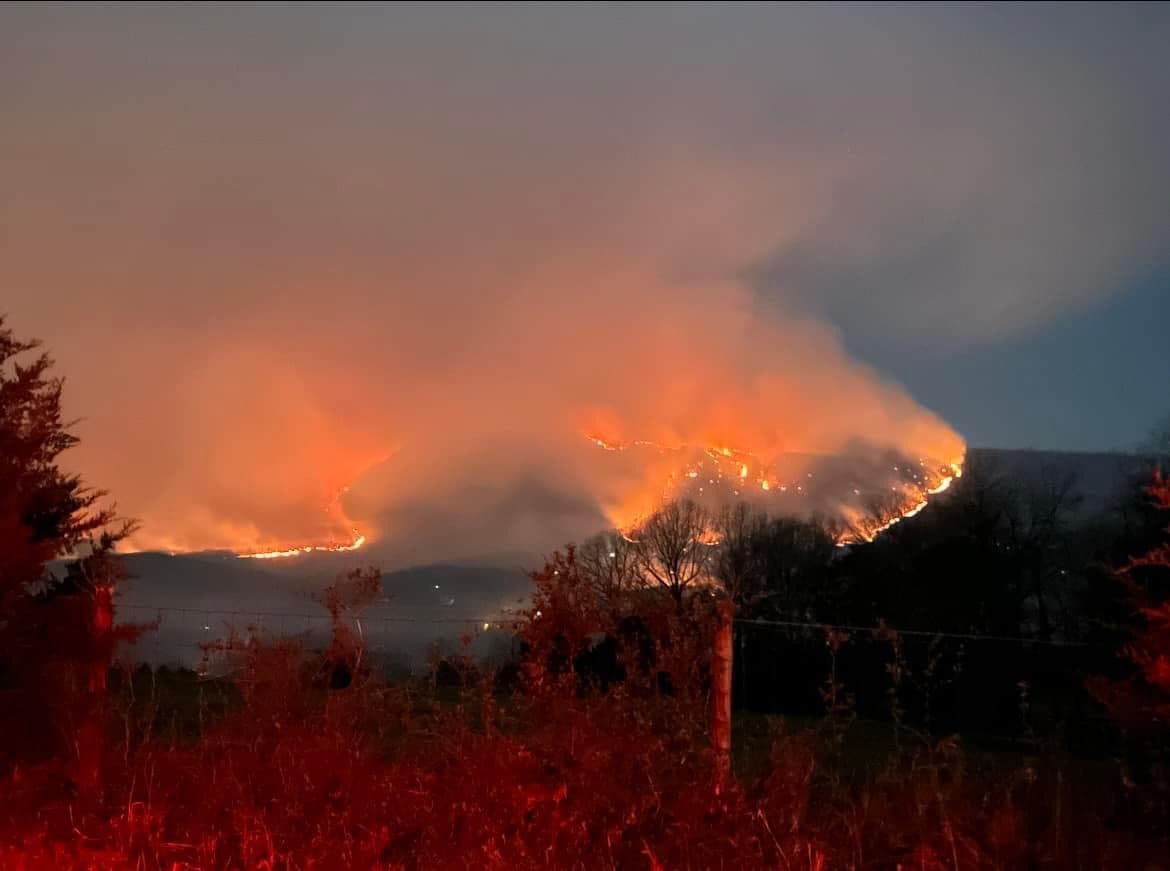
The American Heart Association has issued a warning about the increased risk of heart disease due to exposure to wildfire smoke from Canada, which is rapidly drifting into the United States. This smoke contains fine, microscopic particles linked to cardiovascular risk, affecting areas far beyond the immediate vicinity of the fires. Research presented at the American Heart Association’s Scientific Sessions 2023 found a significant association between wildfire smoke and same-day hospitalizations for unstable chest pain in Utah.
A 2020 study published in the Journal of the American Heart Association revealed that exposure to heavy smoke during wildfires could raise the risk of out-of-hospital cardiac arrests by up to 70%, particularly affecting men and women aged 35-64 and communities with lower socioeconomic status. Further findings from the same research group indicated that wildfire smoke exposure was linked to increased emergency room visits for various cardiovascular conditions, including heart attacks and ischemic heart disease, with a notable impact on adults aged 65 and older.
Dr. Keith Churchwell, American Heart Association volunteer president, emphasizes the importance of recognizing the signs of a heart attack or stroke and recommends checking air quality at airnow.gov. He advises staying indoors, using high-efficiency air filters, avoiding exertion, and keeping hydrated to reduce exposure to wildfire smoke. The American Heart Association’s 2020 scientific statement on air pollution exposure highlights the effectiveness of portable air cleaners in reducing indoor particulate matter by 50-60%, offering a cost-effective measure to mitigate cardiopulmonary risks.
Dr. Churchwell urges the public to take the threat of wildfire smoke seriously, even if not directly affected by the fires, and to take proactive steps to protect their health. The microscopic particles in wildfire smoke can penetrate deep into the lungs and enter the bloodstream, triggering inflammation and stress responses that strain the cardiovascular system. This warning comes as smoke from Canadian wildfires continues to affect air quality across multiple U.S. regions, creating a public health concern that extends beyond respiratory issues to include significant cardiac risks.
The association between wildfire smoke and cardiovascular events is particularly concerning because the effects can occur rapidly, with same-day hospitalizations documented in research. Vulnerable populations including older adults, those with pre-existing heart conditions, and socioeconomically disadvantaged communities face disproportionate risks. The American Heart Association’s recommendations emphasize practical measures that individuals can take to reduce exposure, with portable air cleaners representing one of the most effective interventions for indoor environments.
As climate change contributes to more frequent and intense wildfire seasons, understanding and addressing the cardiovascular impacts of smoke exposure becomes increasingly important for public health. The American Heart Association’s warning serves to alert healthcare providers and the public about these risks, which may not be immediately obvious to those living far from actual fire locations. The drifting nature of wildfire smoke means that cardiovascular risks can affect populations hundreds of miles from the fire sources, making this a widespread concern requiring coordinated public health responses.