

Heated clothing has expanded beyond traditional winter applications, according to industry experts at Fieldsheer, with Bluetooth-controlled temperature-regulated garments serving versatile roles in comfort, performance, and health across multiple scenarios. Outdoor enthusiasts are finding that heated apparel provides critical warmth during unpredictable temperature changes, allowing campers, hikers, and motorcyclists to maintain optimal body temperature without relying on bulky layering systems. Lightweight heated socks prevent numbness in cold conditions, while heated vests and jackets adjust seamlessly to changing environmental conditions through wireless controls.
Athletes and fitness professionals are increasingly leveraging heated clothing for muscle recovery and performance optimization. Heated compression garments enhance circulation, loosen tight muscles, and expedite healing processes after intense workouts. Runners, cyclists, and hikers can target specific muscle groups with specialized heated leggings and back wraps, creating customized thermal therapy that supports physical activity and reduces injury risk. This application demonstrates how thermal technology has evolved from basic warmth provision to sophisticated performance enhancement tools.
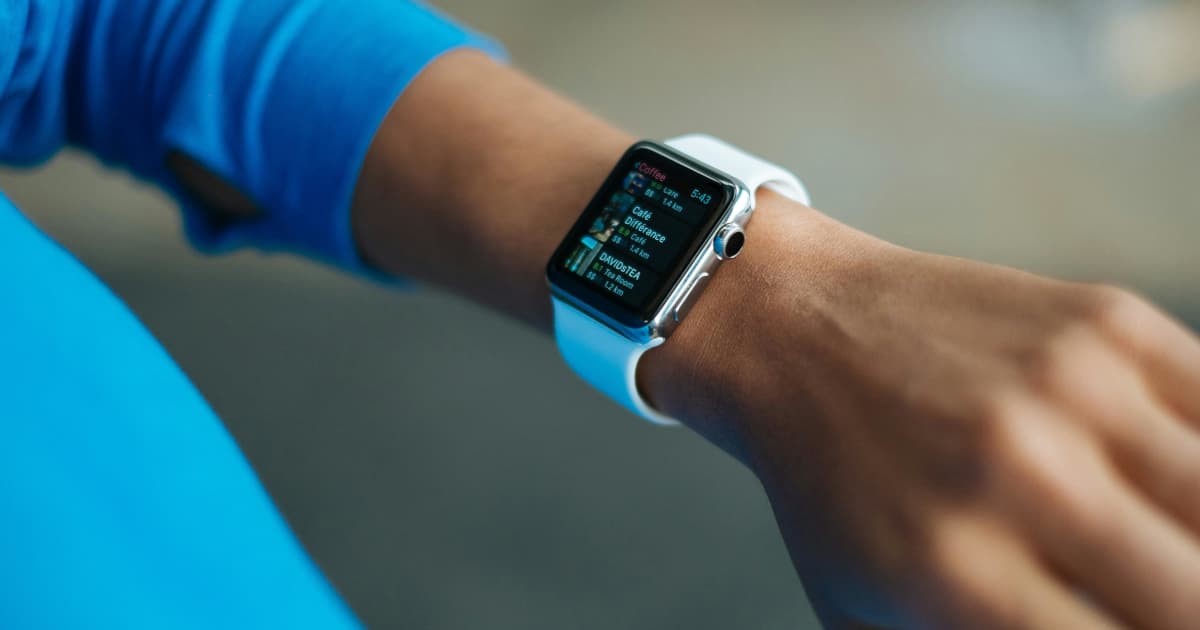
For individuals managing chronic health conditions such as neuropathy, arthritis, and Raynaud's disease, Bluetooth-controlled heated apparel offers personalized pain management solutions. Users can customize heat intensity through smartphone or smartwatch applications, providing targeted relief precisely when and where it's needed most. This technological advancement represents a significant improvement over traditional heating pads and blankets, offering greater mobility, precision, and convenience for those requiring regular thermal therapy. The ability to adjust settings remotely through connected devices makes heated garments more accessible and effective for daily pain management.
The technology also presents an energy-efficient alternative to traditional heating methods in both indoor and outdoor settings. By delivering warmth directly to the wearer through garments like those described at https://www.fieldsheer.com, heated clothing can reduce home heating expenses and eliminate the inefficiencies associated with space heaters that warm entire rooms. Rechargeable battery packs further enhance the sustainability of these innovative garments, allowing users to maintain personal comfort without continuous energy consumption from conventional heating systems. This efficiency aspect makes heated clothing relevant not just for personal comfort but also for environmental and economic considerations.
As consumer awareness grows regarding these multiple applications, heated clothing is transforming from a seasonal accessory to a year-round solution for temperature regulation, performance enhancement, and personal comfort management. The integration of Bluetooth technology with thermal garments represents a significant advancement in wearable technology, creating products that serve functional needs across diverse populations and activities. This evolution reflects broader trends in smart clothing development, where garments increasingly incorporate technology to address specific user needs beyond basic protection and fashion considerations.