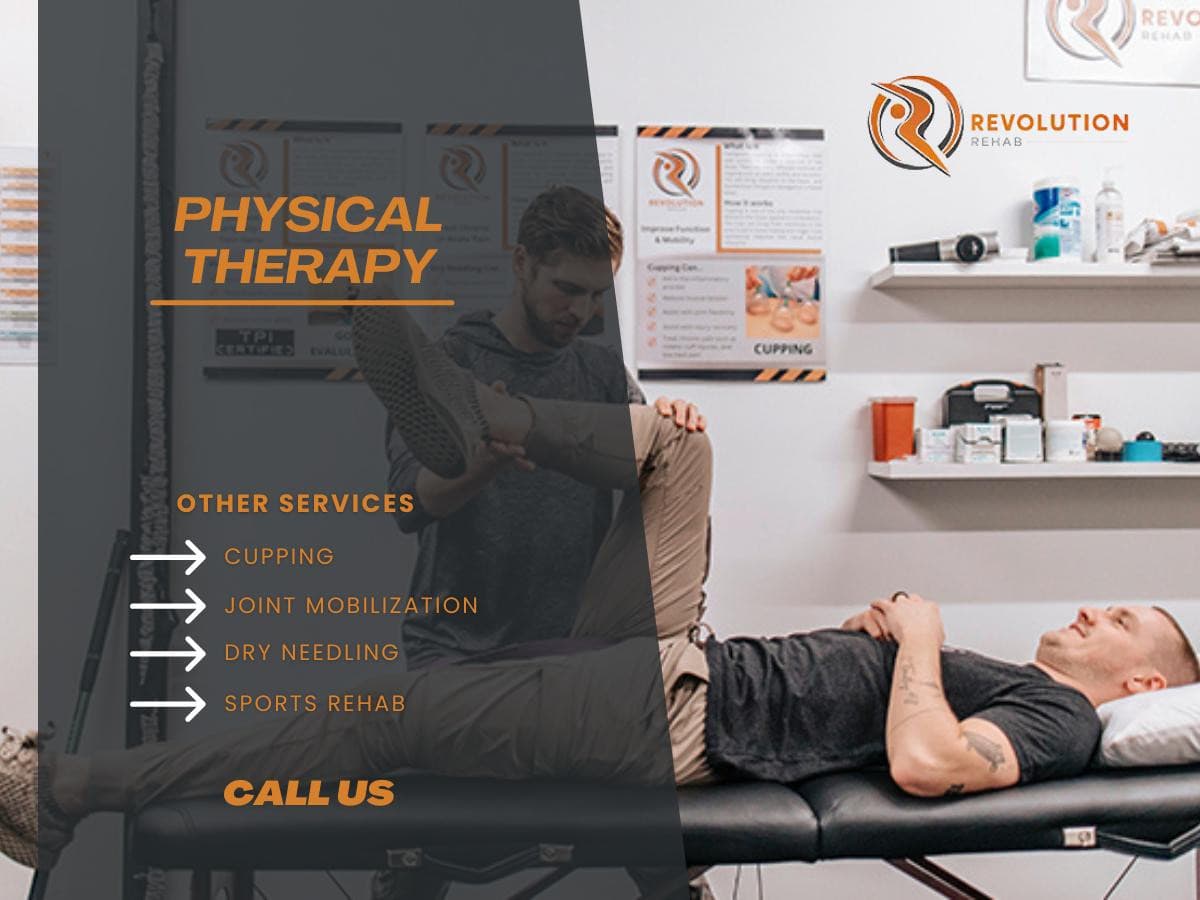
Physical therapy patients in Grand Rapids now have access to a specialized rehabilitation center that prioritizes personalized treatment and patient-centered care. Revolution Rehab, led by Dr. Tyler Kinch, provides comprehensive therapeutic services designed to restore mobility, reduce pain, and enhance overall patient well-being. The clinic distinguishes itself through its commitment to individualized treatment plans tailored to each patient's unique needs. By conducting thorough initial evaluations, the team develops targeted strategies addressing specific conditions ranging from post-surgical rehabilitation to sports injuries and chronic pain management.
Key to Revolution Rehab's approach is its holistic perspective on recovery. Beyond immediate treatment, the clinic emphasizes patient education and preventative techniques. Therapists teach patients exercises and strategies they can integrate into daily routines, empowering them to maintain progress and minimize future injury risks. Dr. Tyler Kinch's leadership brings extensive rehabilitation science expertise combined with a compassionate approach. The clinic's team focuses on creating a supportive environment where patients actively participate in their recovery journey, understanding that mental and emotional support are as crucial as physical treatment.
Utilizing evidence-based practices and the latest rehabilitation technologies, Revolution Rehab offers comprehensive care for individuals seeking to improve mobility and manage pain. Their method goes beyond traditional physical therapy by treating each patient as a unique individual with specific goals and challenges. The clinic's dedication to excellence is reflected in its patient-first philosophy. By prioritizing transparent communication, personalized treatment, and continuous support, Revolution Rehab has established itself as a premier physical therapy provider in Grand Rapids.
Patients can expect a welcoming atmosphere where their individual needs are carefully addressed. The clinic's approach ensures that rehabilitation is not just about physical recovery, but about empowering individuals to reclaim their quality of life and achieve their wellness objectives. This matters because it represents a shift toward more comprehensive healthcare that addresses the whole person rather than just symptoms, potentially leading to better long-term outcomes and reduced healthcare costs through preventative strategies. The implications include setting new standards for patient care in rehabilitation services and demonstrating how personalized approaches can significantly impact recovery success rates.