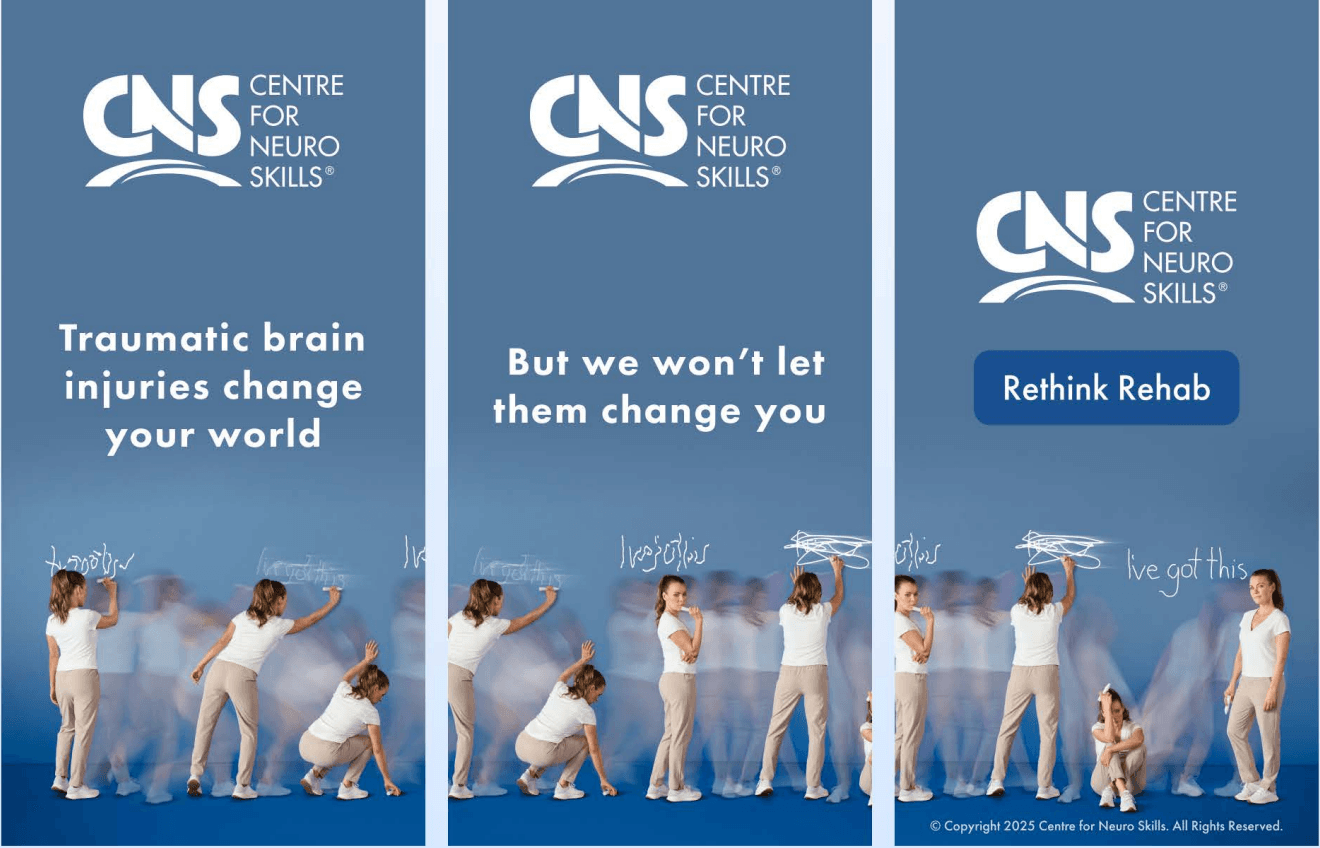
The Centre for Neuro Skills (CNS), a leader in traumatic brain injury and stroke rehabilitation, has launched its first advertising campaign in 45 years. Titled 'Rethink Rehab,' the initiative targets medical decision-makers, potential patients, and their families through digital video platforms, social media, and out-of-home advertising. The campaign features dramatic visuals that transition to messages of hope, emphasizing CNS's mission to reduce disability and maximize patient independence. Ben Ashley, Associate Vice President of Marketing and Communications, explained that the multichannel approach aims to spread awareness about CNS's services and impact before potential patients might need them.
A centerpiece of the campaign is a 30-second video spot developed in partnership with Moon Rabbit, an independent advertising agency. The video follows a mother's journey through brain injury recovery, showcasing her perseverance and ultimate success in regaining control of her daily life with CNS's support. John Tenaglia from Moon Rabbit noted that the campaign seeks to bring humanity to the often clinical conversation surrounding rehabilitation. The advertising strategy includes digital banners, radio spots, social media placements, and published advertorials designed to reach a diverse audience.
Launched on February 1, 2025, the 'Rethink Rehab' campaign represents a significant effort to educate the public about neurorehabilitation and the transformative potential of specialized treatment approaches. By sharing personal stories and highlighting compassionate care, CNS aims to increase understanding and accessibility of critical rehabilitation services. This initiative matters because it addresses a critical gap in public awareness about traumatic brain injury and stroke recovery, potentially leading more individuals to seek timely, specialized care that can dramatically improve outcomes. The implications extend beyond marketing, as increased awareness could reduce long-term disability burdens on healthcare systems and families, while promoting a more hopeful narrative around rehabilitation that emphasizes patient agency and recovery potential.