

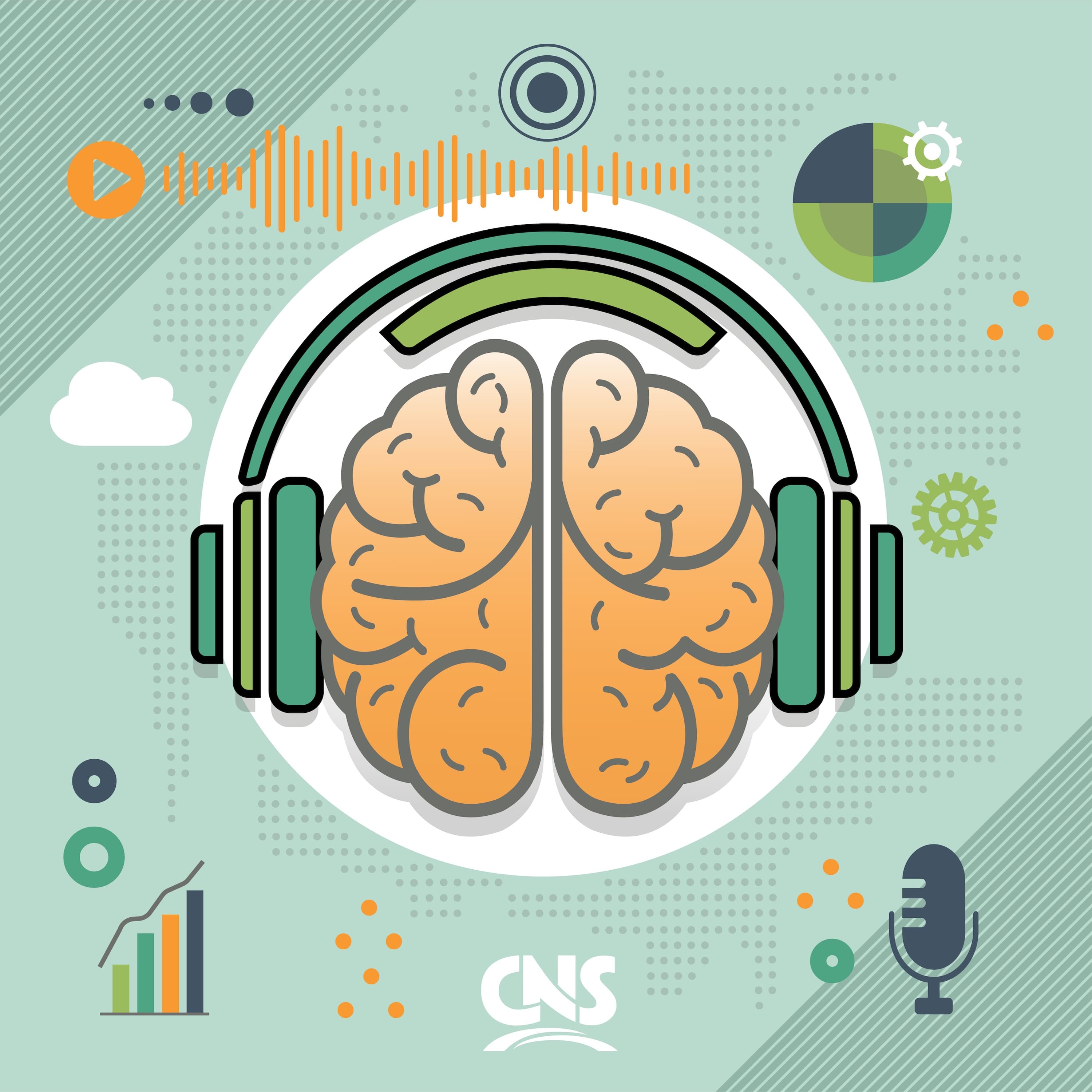
The Centre for Neuro Skills (CNS) has introduced a new podcast series focused on brain injury rehabilitation, launched during Brain Injury Awareness Month. This weekly video podcast features conversations with industry experts, survivors, and rehabilitation professionals to explore the complex landscape of neurorehabilitation. Hosted by CNS President and CEO David Harrington, a licensed occupational therapist with over thirty years of experience, the series aims to provide comprehensive insights into recovery processes.
The inaugural episode, titled "A Place of Healing: The Story of CNS," recounts the organization's origins through founder Dr. Mark Ashley's personal journey. When his brother Steve suffered a devastating disability in 1972, conventional rehabilitation offered limited hope, motivating Dr. Ashley to develop innovative approaches emphasizing continuous patient potential. This foundational story sets the tone for the series, which will tackle various aspects of brain injury recovery from both personal and medical perspectives.
Future episodes will explore critical topics including the relationship between heart and brain health, emotional impacts on recovery, and personal narratives of stroke survivors. The podcast will feature discussions with CNS clinical leaders such as Chris Persel and Dr. Gary Seale, who will share professional insights into rehabilitation strategies. These conversations are designed to provide practical knowledge while highlighting the human dimension of recovery journeys.
Produced in collaboration with the American Heart Association's "Live Fierce" campaign, the podcast reflects a broader mission to educate the public about neurological recovery and cardiovascular health. This partnership underscores the interconnected nature of brain and heart health, a theme that will be explored throughout the series. By sharing expert knowledge and personal experiences, CNS demonstrates that brain injury rehabilitation represents a journey of hope, innovation, and potential rather than a finite process with limited outcomes.
The "Neuro Skills Podcast" is available on platforms including YouTube and Spotify, providing accessible resources for patients, families, and healthcare professionals. This initiative matters because it addresses significant gaps in public understanding about brain injury recovery while offering evidence-based information from trusted sources. The podcast's timing during Brain Injury Awareness Month amplifies its educational impact, reaching audiences when attention to neurological health is heightened. For individuals affected by brain injuries, the series offers both practical guidance and emotional support through shared stories of resilience.
The implications of this announcement extend beyond immediate educational value. By making specialized rehabilitation knowledge publicly available, CNS helps democratize access to information that has traditionally been confined to clinical settings. This transparency can empower patients and families to make more informed decisions about treatment options and recovery expectations. Furthermore, the podcast's emphasis on continuous potential challenges outdated perceptions about brain injury outcomes, potentially influencing both public attitudes and professional practices in neurorehabilitation.