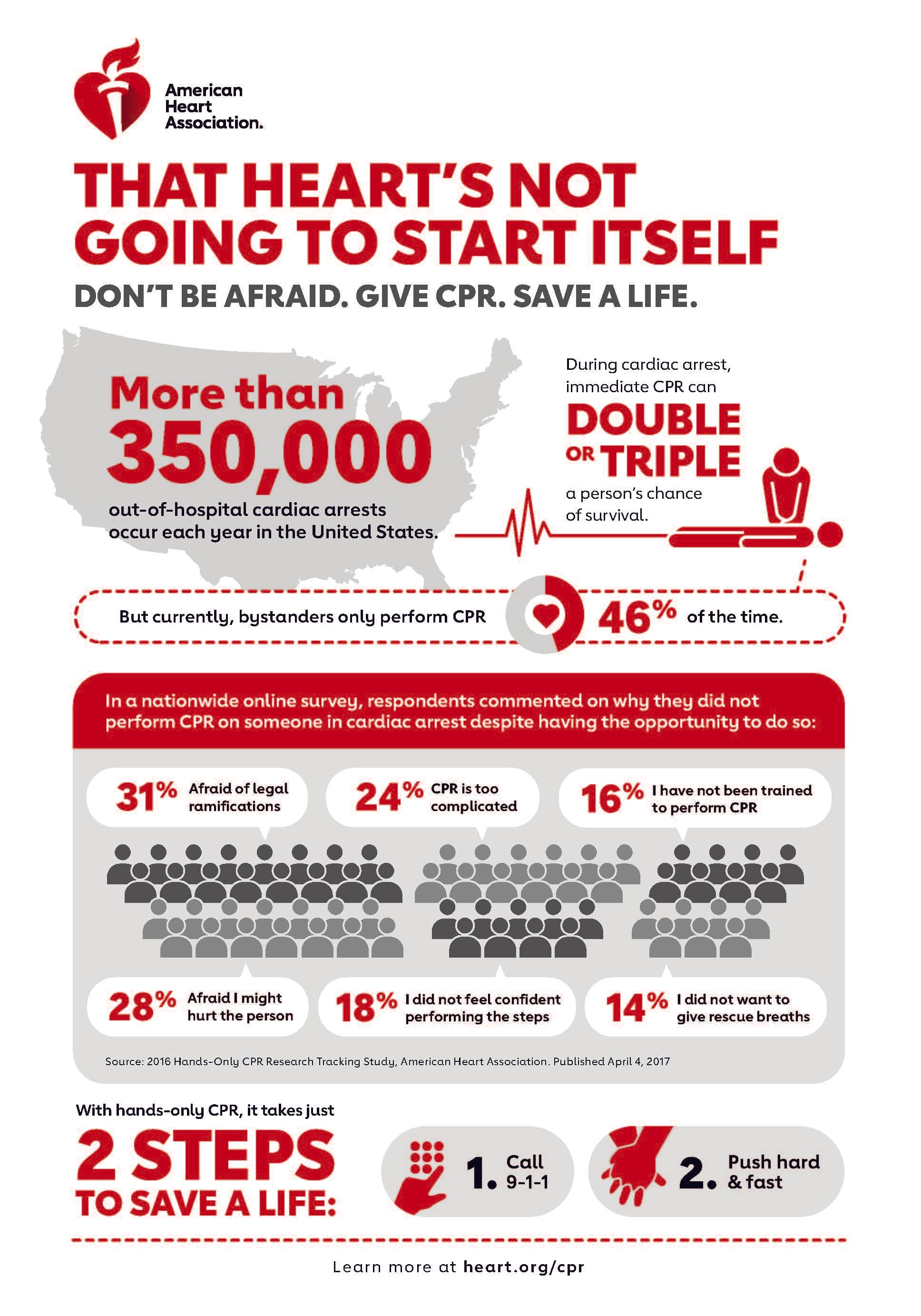
The American Heart Association is leveraging the star power of professional basketball players to combat the high mortality rate of sudden cardiac arrests. More than half of out-of-hospital cardiac arrest victims do not receive immediate cardiopulmonary resuscitation (CPR), contributing to a staggering statistic where up to 9 out of 10 people who experience such emergencies do not survive. A recent survey by the American Heart Association reveals a promising trend: the percentage of adults confident in performing CPR has increased from 30% to 35% between 2021 and 2023. As part of American Heart Month, the organization unveiled its 2025 Nation of Lifesaver NBA/G League Ambassador Class, featuring nine current professional basketball players who will support CPR education through public service announcements and social media content.
The Nation of Lifesavers™ movement, launched in 2023 following the high-profile cardiac arrest of NFL player Damar Hamlin, aims to double survival rates of out-of-hospital cardiac arrests by 2030. Ambassadors include players from teams such as the Utah Jazz, Philadelphia 76ers, San Antonio Spurs, and Atlanta Hawks. According to Nancy Brown, CEO of the American Heart Association, the initiative is crucial for empowering communities to respond effectively in cardiac emergencies. With nearly 75% of cardiac arrests occurring in homes, learning hands-only CPR can be a critical life-saving skill that takes just 90 seconds to master. The ambassadors will help spread critical information about CPR techniques, emphasizing that in case of a teen or adult collapse, witnesses should immediately call emergency services and begin chest compressions at a rate of 100-120 beats per minute, with a compression depth of approximately two inches.
This initiative is particularly important given that approximately 23,000 children under 18 experience cardiac arrests outside hospitals annually, with about 40% occurring among student-athletes. By increasing CPR awareness and training, the American Heart Association hopes to reduce fatalities and improve emergency response capabilities across communities. The partnership with NBA players represents a strategic effort to reach broader audiences, especially younger demographics, through platforms like social media where these athletes have significant influence. The American Heart Association provides resources and training materials at https://www.heart.org/en/cpr, which can help individuals learn the simple steps that could save a life during a cardiac emergency. The organization's focus on hands-only CPR, which eliminates the need for mouth-to-mouth resuscitation, is designed to make the technique more accessible and less intimidating for bystanders.
The implications of this announcement extend beyond immediate life-saving potential to broader public health outcomes. By normalizing CPR education through celebrity endorsements, the American Heart Association aims to shift cultural attitudes toward emergency preparedness, making it as commonplace as learning other basic safety skills. This is critical given that survival rates for out-of-hospital cardiac arrests have remained stubbornly low for decades, often due to delays in initiating CPR before professional medical help arrives. The involvement of professional athletes, who are often viewed as role models, can help destigmatize the fear of performing CPR incorrectly and emphasize that any attempt is better than no action. As cardiac arrests can strike anyone at any time, including young athletes as highlighted by incidents like Damar Hamlin's, this initiative underscores the universal importance of community readiness. The American Heart Association's goal to double survival rates by 2030 hinges on such innovative partnerships that leverage popular culture to drive behavioral change and save lives.