

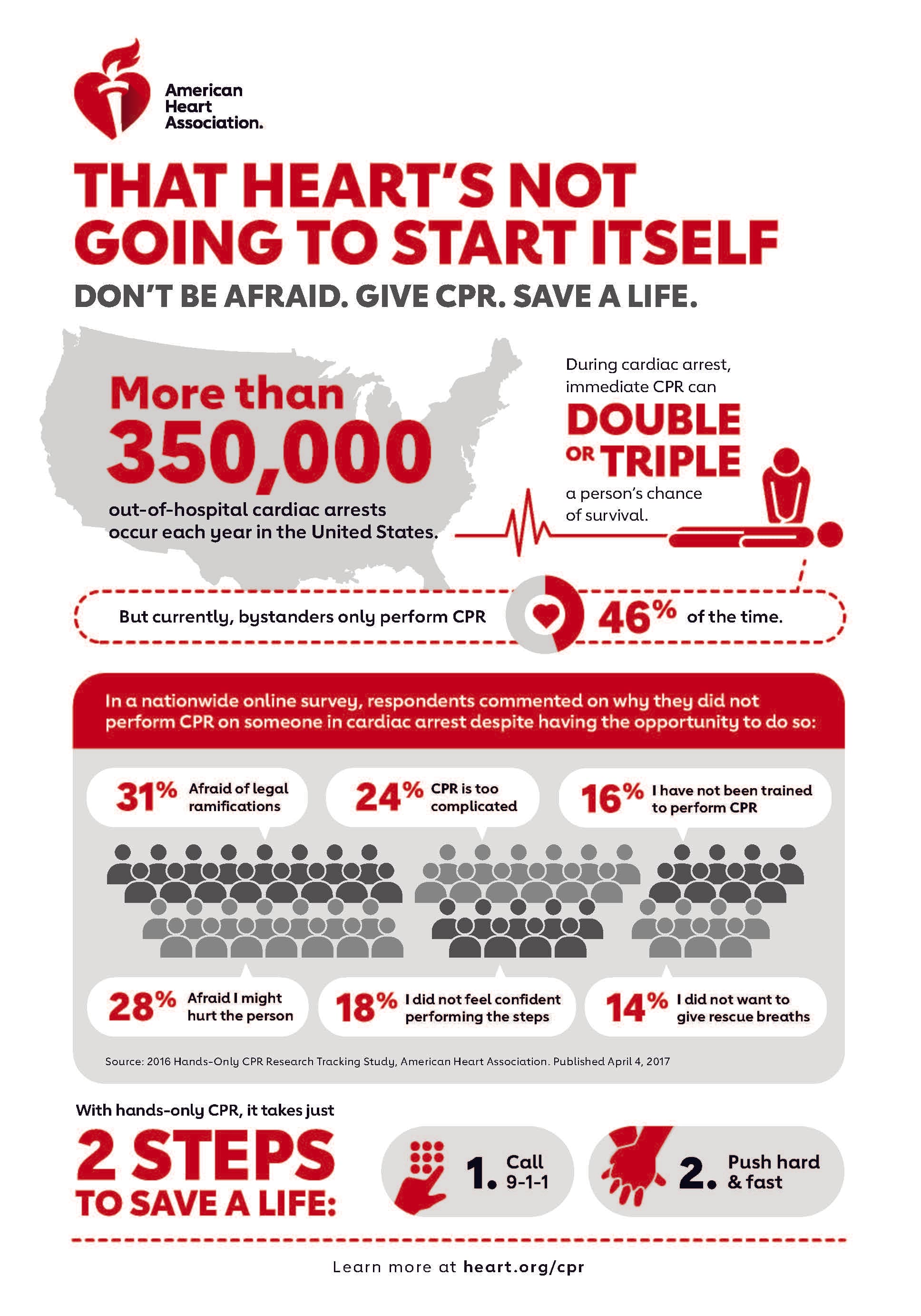
Walgreens and the American Heart Association have launched a comprehensive nationwide effort to increase public awareness and training in cardiopulmonary resuscitation (CPR), targeting a critical gap in emergency medical response. The partnership seeks to address the alarming statistic that more than 350,000 cardiac arrests occur outside hospitals annually in the United States, with 90% proving fatal. Through the Nation of Lifesavers initiative, the organizations aim to transform bystanders into potential lifesavers by expanding CPR education and preparedness.
The multi-year strategy includes a $15 million fundraising commitment from Walgreens, which serves approximately nine million customers daily. Recent survey data indicates growing public receptiveness to CPR training. Following the high-profile cardiac event involving NFL player Damar Hamlin in 2023, bystander confidence in performing CPR has increased from 33% to 39%, representing approximately 17.7 million more Americans feeling capable of responding in a medical emergency. Tim Wentworth, Walgreens Boots Alliance CEO, emphasized the critical importance of immediate medical intervention, noting that their expanded partnership will provide team members and customers with necessary knowledge and resources to potentially save lives during cardiac emergencies.
Nancy Brown, American Heart Association CEO, highlighted the organization's bold goal of doubling out-of-hospital cardiac arrest survival rates by 2030. The partnership will leverage Walgreens' extensive community reach to connect with individuals who might be willing but lack confidence in performing emergency medical procedures. The initiative will encompass both in-store and community-based activations, including point-of-sale donation campaigns, educational efforts, and grassroots programs designed to increase CPR readiness and training accessibility. This collaboration represents a significant step toward addressing a major public health challenge by empowering ordinary citizens with life-saving skills that can dramatically improve survival outcomes during critical medical emergencies.