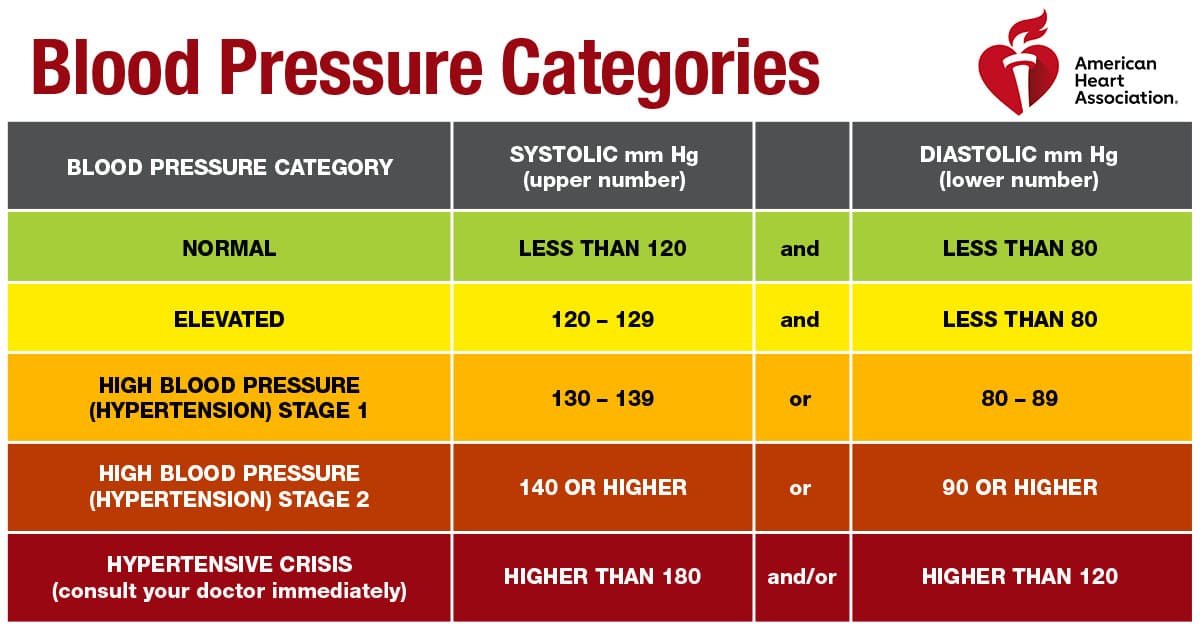
A study published in the journal Hypertension reveals nuanced differences in blood pressure progression among South and East Asian adults living in the United Kingdom, challenging the traditional broad categorization of 'Asian' populations. Researchers analyzed health records from over 3,400 participants in the UK Biobank, uncovering distinct trajectories of blood pressure development that could have substantial implications for cardiovascular disease risk. The study found that South Asian adults experience elevated blood pressure approximately nine years earlier than their East Asian counterparts.
Key findings indicate that South Asian men reach high blood pressure thresholds at age 36, compared to East Asian men at age 46. Similarly, South Asian women reach these levels at age 45, versus age 52 for East Asian women. These differences suggest the need for more personalized healthcare approaches tailored to specific Asian subpopulations. The research highlighted significant cardiovascular risk variations. South Asian adults demonstrated four times the lifetime incidence of heart disease caused by blocked arteries compared to East Asian adults.
For East Asian participants, each standard deviation increase in midlife systolic blood pressure was associated with a 2.5 times higher risk of atherosclerotic cardiovascular disease and nearly a fourfold greater stroke risk. Lead study author So Mi Jemma Cho emphasized the critical nature of these findings, noting that the commonly used 'Asian' category obscures important health distinctions. The research underscores the importance of recognizing the heterogeneity within Asian populations and developing more nuanced medical screening and intervention strategies.
While the study provides valuable insights, researchers acknowledge limitations, including potential variations in results for Asian populations outside the United Kingdom. The findings nonetheless represent a significant step toward understanding cardiovascular health risks across different Asian ethnic groups. The study's implications extend beyond academic research, potentially influencing future medical guidelines and preventive healthcare approaches for diverse Asian populations. By recognizing the unique cardiovascular risk profiles of different Asian subgroups, healthcare providers can develop more targeted and effective prevention and treatment strategies. The full study is available at https://www.ahajournals.org/doi/10.1161/HYPERTENSIONAHA.123.21567.