

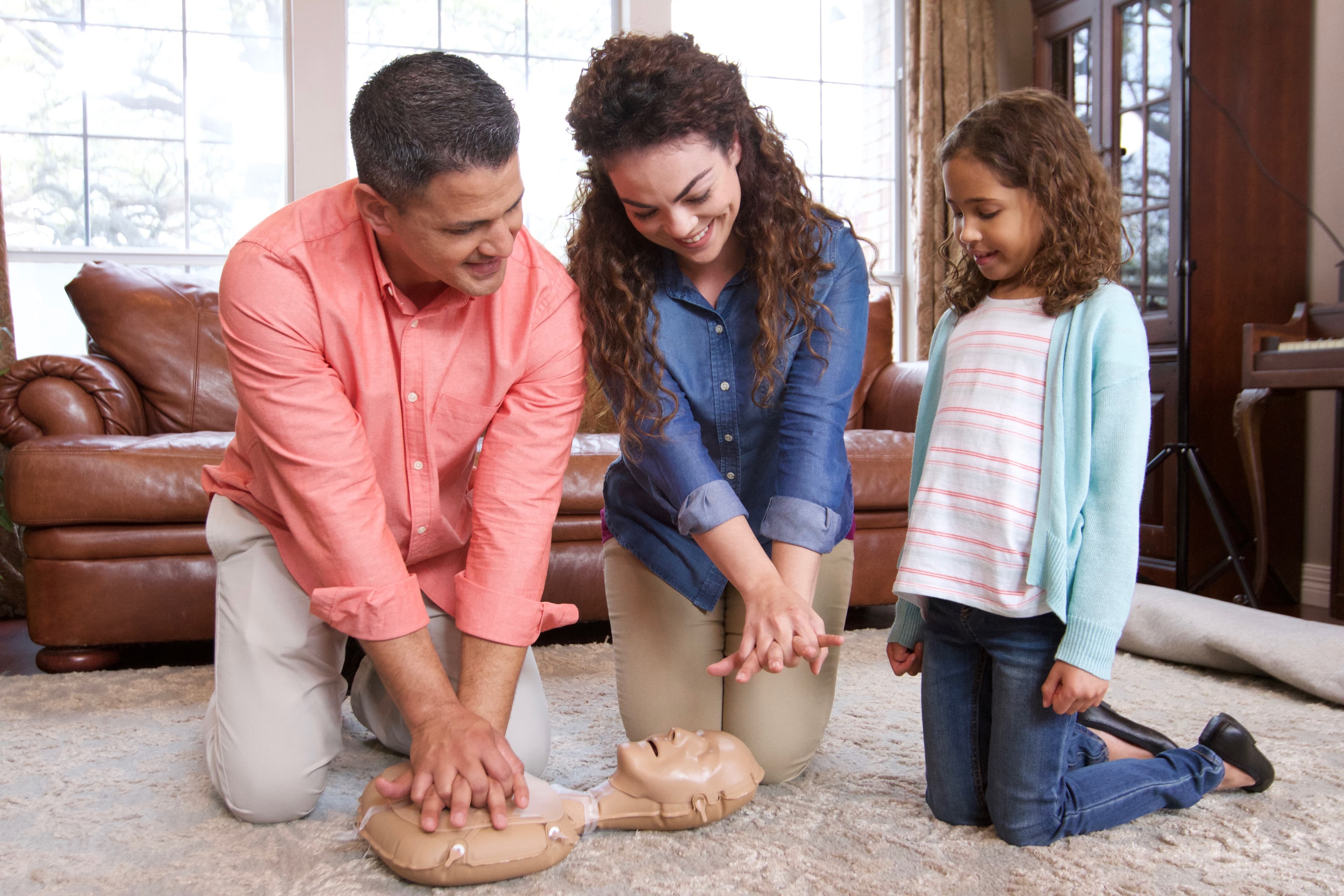
Recent survey data from the American Heart Association indicates a promising trend in public readiness to respond to cardiac emergencies, with bystander confidence to perform CPR increasing from 33% to 39%. This represents approximately 17.7 million more Americans feeling prepared to act during life-threatening situations. Cardiac arrest remains a critical health concern, with over 350,000 incidents occurring outside hospitals annually in the United States. Nearly 75% of these events happen in homes, and tragically, 90% prove fatal. The Nation of Lifesavers™ movement, launched in 2023, aims to double survival rates from sudden cardiac arrest.
The survey's findings are particularly significant given the high-profile cardiac arrest of NFL player Damar Hamlin in January 2023, which brought public attention to emergency response skills. For adults and teens, Hands-Only CPR has emerged as an accessible method, requiring only chest compressions at a rate of 100-120 beats per minute. Children are not immune to cardiac emergencies, with more than 23,000 experiencing life-threatening events annually. Approximately 20% of cases involve infants, and 40% are related to sports activities. Unlike adult CPR, child and infant CPR requires rescue breaths, a critical nuance in lifesaving techniques.
The American Heart Association offers multiple learning pathways to address these needs, including online tutorials, at-home training kits, virtual reality experiences, and in-person courses. These resources aim to make CPR education accessible and engaging for diverse populations. Policy advocacy is also a key component of the Association's strategy. The recently signed bipartisan HEARTS Act creates a federal grant program to support CPR training, AED purchases, and cardiac emergency response plans in schools. Research indicates that children experiencing cardiac arrest at schools are seven times more likely to survive when an AED is available.
As Nancy Brown, CEO of the American Heart Association, emphasized, cardiac arrest can affect anyone regardless of age or health. The increasing public confidence in CPR skills represents a crucial step toward saving more lives in emergency situations. The combination of growing public preparedness, accessible training methods like Hands-Only CPR, and legislative support through initiatives such as the HEARTS Act creates a multifaceted approach to addressing a persistent public health challenge that claims thousands of lives annually outside hospital settings.