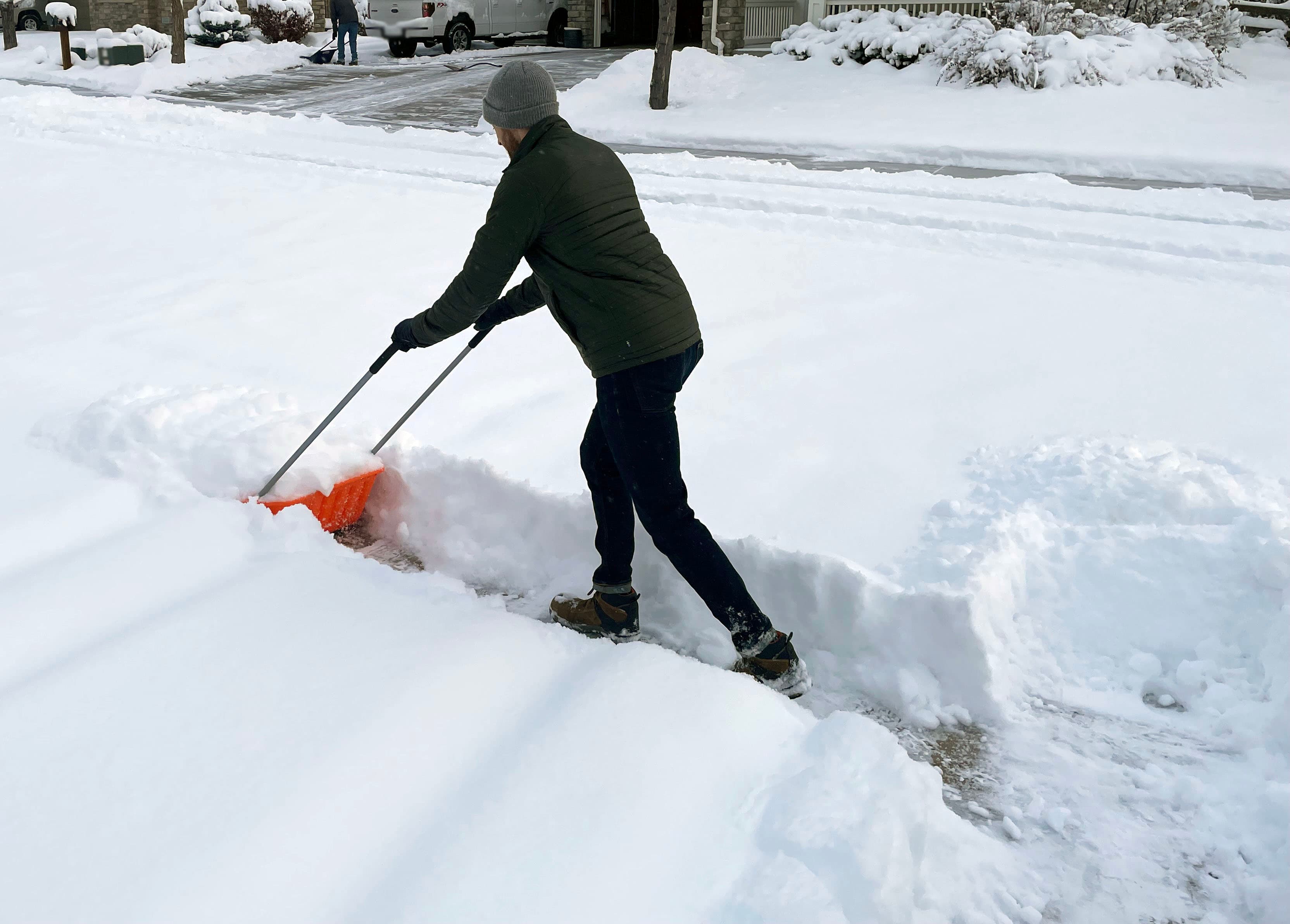
The American Heart Association is issuing an important warning about the hidden cardiovascular dangers associated with snow shoveling as winter storms approach. This seemingly mundane winter task can pose significant risks to heart health, especially for individuals with pre-existing cardiovascular conditions or risk factors. Dr. Keith Churchwell, volunteer president of the AHA and associate clinical Professor of Medicine at Yale School of Medicine, explains that the combination of heavy exertion and cold weather creates a perfect storm for heart-related events.
Research indicates that the strain of snow shoveling can be as demanding on the heart as a treadmill stress test, potentially leading to an increased risk of heart attacks or sudden cardiac arrest. The AHA's 2020 scientific statement on exercise-related cardiovascular events highlights snow shoveling as an activity that may place extra stress on the heart. This is particularly concerning for individuals who are not accustomed to regular exercise. The physical demands of shoveling snow, combined with the body's reaction to cold temperatures, can create a dangerous situation for the cardiovascular system.
Several factors contribute to the increased cardiac risk during snow shoveling. The activity primarily involves arm work, which is more taxing on the heart than leg work. Additionally, people often unconsciously hold their breath while lifting heavy loads of snow, causing significant increases in heart rate and blood pressure. The exposure to cold air further compounds the risk by constricting blood vessels throughout the body, raising blood pressure and limiting blood flow to the heart.
Dr. Churchwell emphasizes that individuals with known cardiovascular risks, such as a sedentary lifestyle, obesity, smoking history, diabetes, high cholesterol, or high blood pressure, should avoid shoveling snow altogether. This caution also extends to those who have previously experienced a heart attack, stroke, or have undergone bypass surgery or coronary angioplasty. For those who must engage in snow removal, the AHA provides several recommendations to reduce risk.
These recommendations include starting gradually, pacing oneself, covering the mouth and nose, wearing appropriate clothing, and pushing or sweeping snow rather than lifting it. Using a snow blower is preferable to manual shoveling, as it generally results in a lower increase in heart rate. The AHA stresses the importance of recognizing the common signs of a heart attack and stroke. Anyone experiencing chest pain, pressure, lightheadedness, heart palpitations, or irregular heart rhythms while shoveling should stop immediately and seek medical attention if symptoms persist.
This warning serves as a crucial reminder of the often-overlooked health risks associated with winter weather activities. By raising awareness and providing practical advice, the American Heart Association aims to reduce the incidence of snow shoveling-related cardiac events and promote safer winter practices for all individuals, particularly those at higher risk for cardiovascular issues. For more information on cold weather and cardiovascular health, the public is encouraged to visit the American Heart Association's website at heart.org. The organization continues to be a leading source of health information, supporting research and advocating for public health to improve and save lives affected by cardiovascular disease and stroke.