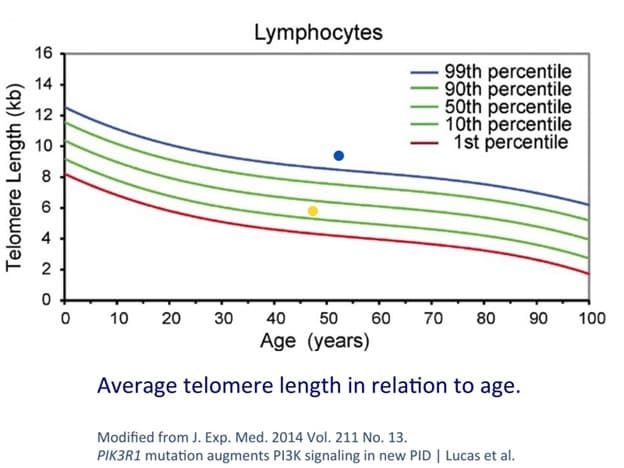
Greg Lindberg has released results from a six-year study indicating that a long-term program of intermittent fasting can significantly increase telomere length, potentially reversing markers of cellular aging. The study, conducted from April 2018 to July 2024, involved weekly water-only fasts exceeding 90 hours combined with daily physical and mental exercises, directly challenging the long-held Hayflick limit theory of cellular aging. Telomeres, the protective caps at the ends of chromosomes, shorten with each cell division and are closely linked to cellular aging and the onset of age-related diseases. Lindberg's findings suggest this shortening process may be reversible through targeted lifestyle interventions.
Over the study period, Lindberg's own telomere length increased from 7.01 kilobases to 10.46 kilobases, as measured by SpectraCell Laboratories in Houston, Texas. This increase shifted his biological age marker from that of an average 60-year-old to that of an average 18-year-old, representing a nearly 50% lengthening and moving him from the 39th to the 99th percentile for telomere length. His program, termed "Only Eat On Weekends™," involves fasting for four consecutive days each week while consuming only water, followed by eating on weekends. During fasting periods, he engages in one to two hours of daily exercise and practices strenuous mental exertion, such as listening to accelerated science audiobooks while working out, activities designed to stimulate neurogenesis.
The implications of this research are substantial for anti-aging science and could reshape understanding of cellular aging. Lindberg's results contest the Hayflick limit, which posits a predetermined cellular lifespan based on telomere shortening. "Increasing your telomere length is the holy grail of anti-aging," Lindberg stated, highlighting the program's potential accessibility. This work aligns with other research, including a recent study by Dr. Masood Shammas from Harvard's Dana-Farber Cancer Institute, supporting the influence of lifestyle factors on telomere length and aging pace.
Lindberg's findings are particularly notable as the study coincided with significant personal stressors, including legal proceedings and incarceration, factors typically associated with accelerated aging. Despite this, his telomeres lengthened, suggesting the regimen's potential robustness. The broader impact extends beyond individual health; widespread adoption of such practices could influence public health by potentially reducing the incidence of age-related conditions like diabetes, heart disease, cancer, and Alzheimer's, thereby altering healthcare approaches and mitigating the economic burden of aging populations.
While promising, this remains a single case study, necessitating further extensive research to validate findings across larger populations. The safety and efficacy of prolonged fasting require careful consideration and professional medical consultation before implementation. Lindberg's wellness brand, Lifelong Labs, aims to provide public guidance on integrating fasting and exercise routines. As anti-aging research evolves, this study opens new avenues for exploring the extension of human healthspan and potentially lifespan.