

Lorati Company Limited has developed nano-grade eye drops that promise to revolutionize the treatment of age-related macular degeneration (AMD), a leading cause of vision loss among older adults affecting millions worldwide. The announcement reveals these innovative eye drops have successfully reversed AMD in numerous patients, including those previously classified as legally blind due to conditions such as drusenoid pigment epithelial detachment (PED). According to CEO David Lo, the company has been transforming lives and restoring vision to AMD patients over the past seven years through this treatment approach.
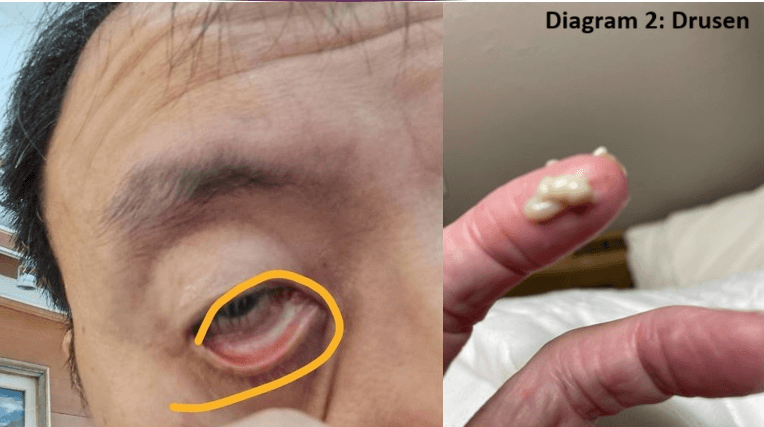
The nano-grade eye drops work by simultaneously clearing drusen and lipofuscin while regenerating photoreceptor cells, which are crucial steps in reversing the progression of AMD. One of the most remarkable aspects of this treatment is its rapid action, with Mr. Lo explaining that within just one hour of application, the eye drops facilitate the excretion of drusen through the retinal pigment epithelium (RPE)/Bruch's membrane/choriocapillaris complex to the outer conjunctiva. Continuous use of the drops leads to gradual vision restoration, offering hope to patients who may have exhausted other treatment options.
The eye drops are based on montmorillonite, an extract of what Mr. Lo refers to as "God's clay." This natural mineral-based solution is believed to be the only effective treatment for both dry and wet forms of AMD. Importantly, the nano-grade mineral water used in the drops has been reported to be completely safe for the human body, contrasting with organic-based eye drops that often come with side effects. For those considering this treatment, Lorati recommends a course that requires 60 ml of their nano-grade mineral water available at https://www.lorati.com/products, with each treatment pack including six 10 ml bottles and a recommended application of up to eight times daily for optimal AMD recovery.
This development could potentially reshape the landscape of AMD treatment by offering a non-invasive, safe alternative to current treatments that often involve injections or laser therapy. The ability to reverse vision loss in patients previously considered legally blind is particularly noteworthy and could lead to a paradigm shift in how AMD is approached in clinical settings. As the global population ages and the incidence of AMD is expected to rise, advancements in treatment become increasingly critical. The introduction of these nano-grade eye drops may not only improve patient outcomes but could also reduce the economic burden associated with vision loss and related care.
While these nano-grade eye drops can effectively treat AMD, they cannot cure it entirely since AMD is described as a metabolic syndrome, suggesting ongoing management may be necessary even after initial treatment. The medical community and patients alike will be watching closely as more data becomes available on the long-term efficacy and safety of this treatment through clinical trials documented at https://www.lorati.com/research. If proven effective in larger clinical trials, Lorati's innovation could mark a new chapter in the fight against age-related vision loss, offering renewed hope to millions around the world affected by macular degeneration.