Researchers have developed a promising new system that may allow for quick, non-invasive screening of high blood pressure and diabetes using only short video clips and artificial intelligence. The preliminary study, to be presented at the American Heart Association's Scientific Sessions 2024, found the AI-powered tool was highly accurate in detecting hypertension and diabetes compared to standard diagnostic methods. The system works by capturing subtle changes in blood flow visible in the skin of a person's face and palm using high-speed video at 150 frames per second. An AI algorithm then analyzes wavelength data from the video to detect signs of high blood pressure or diabetes.
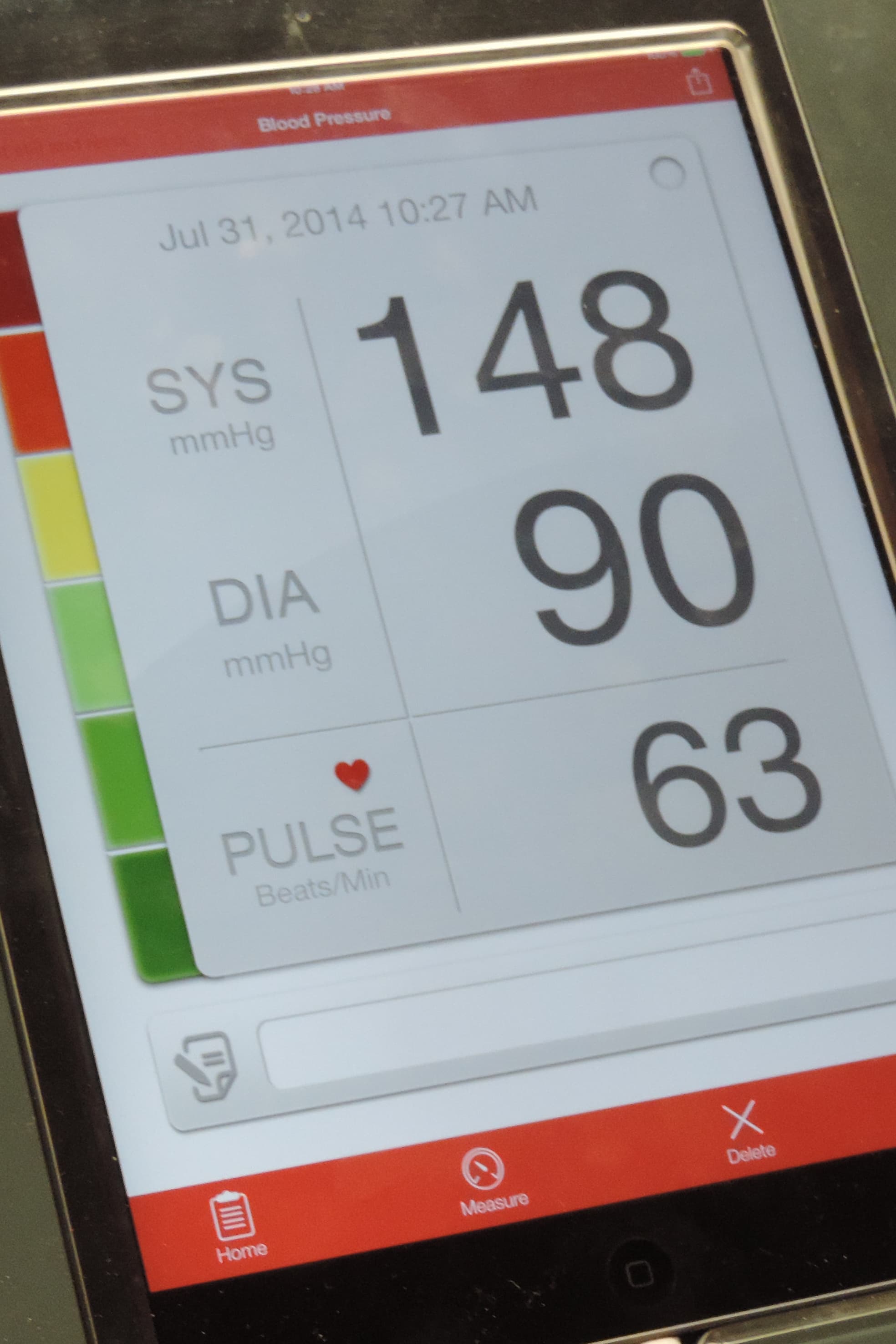
In testing, the system was 94% accurate in identifying stage 1 hypertension (blood pressure of 130/80 mm Hg or higher) compared to readings from a continuous blood pressure monitor. It was also 75% accurate in detecting diabetes compared to hemoglobin A1c blood test results. Study author Ryoko Uchida of the University of Tokyo noted, "This method may someday allow people to monitor their own health at home and could lead to early detection and treatment of high blood pressure and diabetes in people who avoid medical exams and blood tests." The technology is still in early development stages, but researchers envision it could eventually be incorporated into smartphones or other devices for convenient at-home health monitoring.
With further refinement, it may offer a game-changing alternative to invasive blood tests for diabetes screening. However, experts caution more validation is needed before the system can be used clinically. Dr. Eugene Yang of the University of Washington, who was not involved in the study, stated, "While the results are promising, it is important to recognize that validation of these technologies is lacking." The preliminary research involved 215 adults, mostly of Japanese and Asian descent. Further studies with larger, more diverse populations will be needed to confirm the system's accuracy and generalizability.
The researchers also need to account for factors like lighting and movement that could affect results outside of controlled settings. If successfully developed for real-world use, this AI-powered screening tool could potentially increase early detection of hypertension and diabetes, allowing for more timely interventions to prevent complications. It represents an innovative application of artificial intelligence in healthcare with the potential to improve access to important health screenings. As the technology advances, it will be crucial to validate its performance and ensure it meets regulatory standards before clinical implementation. Nonetheless, this early research highlights the exciting potential of AI and video analysis to transform how we monitor key health metrics in the future.