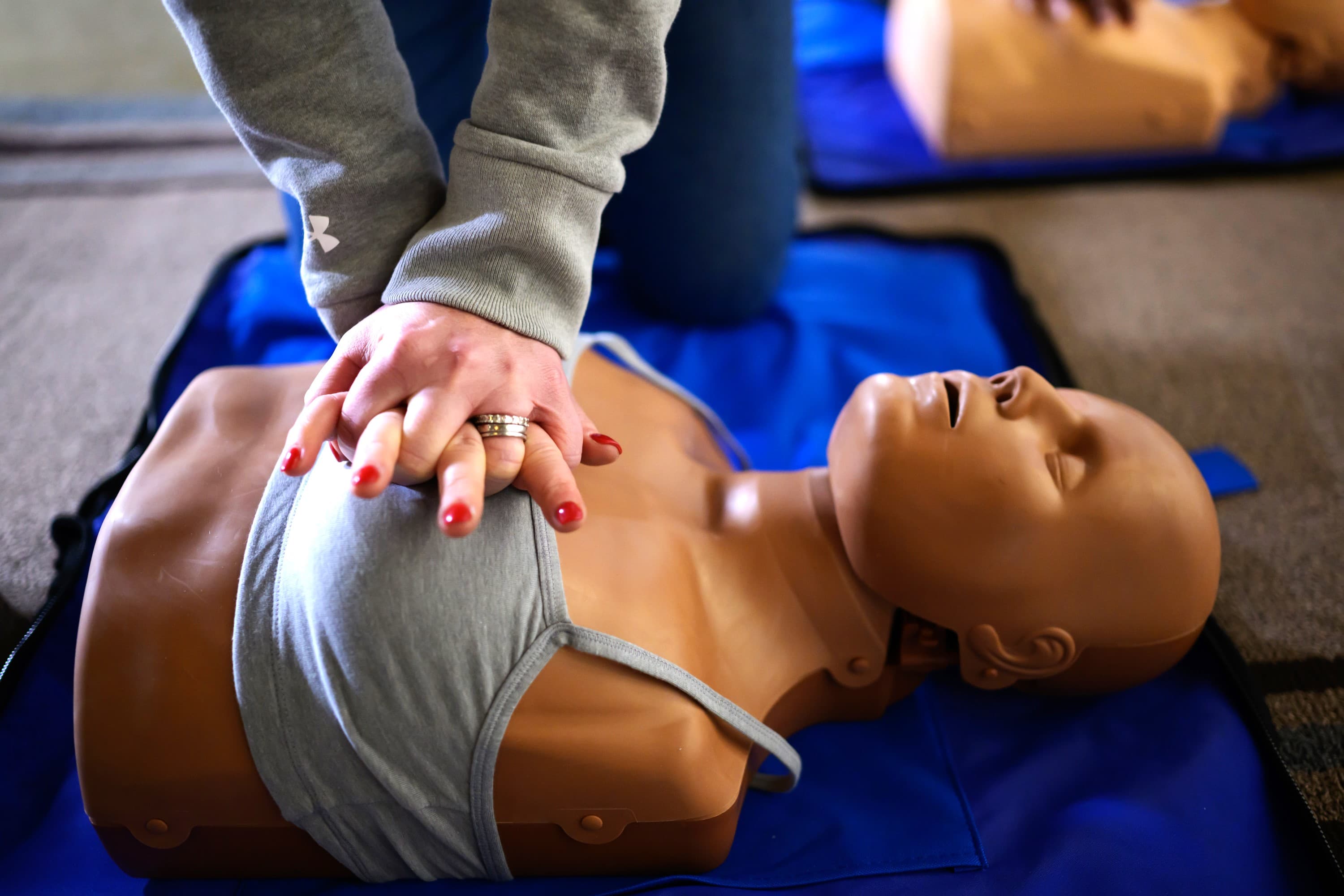
A recent study conducted in North Carolina has uncovered the pivotal role that 911 dispatchers play in increasing the chances of bystander cardiopulmonary resuscitation (CPR) for cardiac arrest victims. The research, set to be presented at the American Heart Association's Resuscitation Science Symposium 2024, analyzed nearly 2,400 out-of-hospital cardiac arrest cases and found a significant increase in bystander CPR rates when emergency dispatchers provided instructions to callers.
The study's findings are particularly noteworthy as they address a known disparity in CPR administration between men and women. When telecommunicators provided assistance, bystander CPR was performed 44% of the time on women and 40% on men, compared to a mere 9% for women and 11% for men when no such assistance was given. This stark contrast underscores the critical importance of dispatcher guidance in emergency situations.
Lead author Audrey Blewer, Ph.D., M.P.H., an assistant professor at Duke University, emphasized the life-saving potential of CPR, stating, "CPR can double an individual's chance of survival." The research also sheds light on potential reasons for the hesitancy to perform CPR on women in public, including concerns about touching a woman's chest or fear of perceived assault.
The study's results have significant implications for public health and emergency response systems. With over 357,000 out-of-hospital cardiac arrests occurring annually in the U.S. and a survival rate of only 9.3%, the role of bystander CPR cannot be overstated. The research suggests that telecommunicator assistance could be instrumental in reducing sex disparities in CPR administration and improving overall survival rates.
Additional findings from the analysis revealed that bystander CPR was administered in 52% of cardiac arrests occurring outside of a hospital, with 81% of these cases performed with telecommunicator assistance. The median time from call received to the telecommunicator recognizing the need for CPR was 87 seconds for both women and men, highlighting the quick response times of emergency dispatchers.
Blewer emphasized the importance of immediate action in cardiac arrest situations, stating, "Everyone who experiences a cardiac arrest should have an equal opportunity to receive CPR. We hope that our research will help close this gap in the future. Most importantly, our findings prove if anyone encounters a person in cardiac arrest, it is important that they call 911 immediately and push hard and fast on the center of the person's chest."
While the study has limitations, including its focus on North Carolina and its secondary analysis nature, it provides compelling evidence for the value of emergency dispatcher assistance in improving cardiac arrest outcomes. The research underscores the need for continued advocacy to support community emergency response and highlights the critical first link in the out-of-hospital cardiac arrest chain of survival—activation of the emergency response system.
As the American Heart Association continues its mission as a relentless force for a world of longer, healthier lives, this research contributes valuable insights into improving cardiac arrest survival rates and addressing gender disparities in emergency medical care. The findings serve as a call to action for both the public and policymakers to recognize the vital role of 911 dispatchers and the importance of widespread CPR training and awareness.