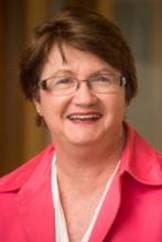
Dr. Virginia J. Howard, a distinguished professor at the University of Alabama at Birmingham, has been selected to receive the prestigious 2024 Population Research Prize at the American Heart Association's Scientific Sessions. The award recognizes Dr. Howard's extensive contributions to stroke research, particularly her work on understanding disparities in stroke risk and outcomes across different populations. Her research has focused on the complex factors contributing to the unequal burden of stroke, with a particular emphasis on long-term studies examining health disparities, cognitive functioning, and stroke risk factors, including sex differences.
As the lead stroke epidemiologist for the REasons for Geographic And Racial Differences in Stroke (REGARDS) study, Dr. Howard has been at the forefront of a nearly 25-year cohort study. This research has provided crucial insights into the factors influencing stroke risk. In 2013, her findings from REGARDS revealed that living in the Stroke Belt during one's teenage years was associated with a higher risk of stroke, with the risk being about two-fold higher for Black participants compared to white participants across all age groups. Dr. Howard's research has also extended to the long-term cognitive impacts of early-life environmental factors. In 2020, she presented findings suggesting that living in the Stroke Belt as a child or young adult may be associated with higher risks of cognitive impairment later in life, regardless of where one lives in adulthood.
These discoveries have significant implications for public health strategies and interventions aimed at reducing stroke risk and cognitive decline. The recognition of Dr. Howard's work with the Population Research Prize underscores the importance of population-based studies in addressing health disparities and improving public health outcomes. Her research has not only shed light on the complex interplay of factors influencing stroke risk but has also paved the way for more targeted and effective interventions. As stroke remains a leading cause of death and disability worldwide, Dr. Howard's work is crucial in developing strategies to reduce its impact.
In addition to her work on REGARDS, Dr. Howard has been a lead clinical trial epidemiologist for several major stroke prevention studies. She is currently involved in the NINDS-funded Carotid Revascularization and Medical Management for Asymptomatic Carotid Stenosis Trials (CREST-2) and the PCORI-funded Coordinated, Collaborative, Comprehensive, Family-Based Integrated, and Technology-Enabled Care (C3FIT) trial. These studies are exploring innovative approaches to stroke prevention and post-stroke care, respectively. Dr. Howard's contributions extend beyond research. She is a co-founder of PRevention and Outcomes in Women Enhancing Stroke Support (PROWESS), a working group dedicated to raising awareness of stroke in women and increasing the enrollment of women in stroke-related clinical trials.
This initiative addresses the critical need for gender-specific research in stroke prevention and treatment. With over 450 peer-reviewed journal articles to her name, Dr. Howard serves on the editorial boards of several prestigious medical journals, including the International Journal of Stroke, Neurology, and the American Heart Association's journal Stroke. Her expertise and dedication have significantly advanced the field of stroke epidemiology and prevention. Her findings on the influence of early-life exposures on stroke risk and cognitive health highlight the need for life-course approaches to stroke prevention, potentially reshaping public health policies and interventions. For more information on stroke prevention and the latest cardiovascular research, visit the American Heart Association's website.