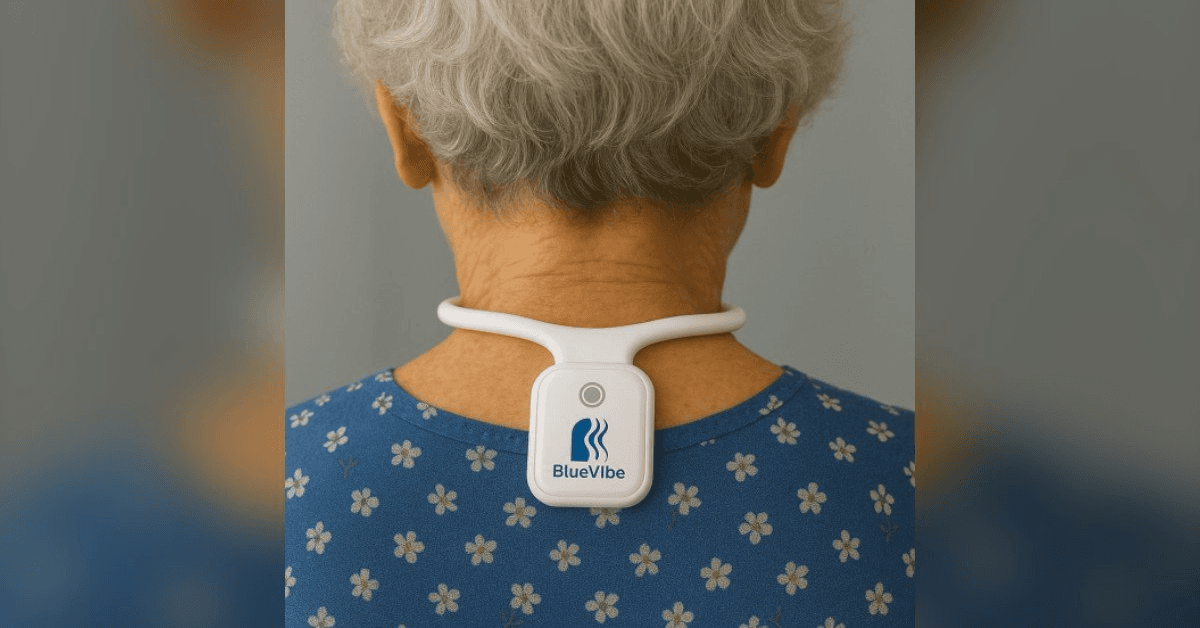
A real-world human user study of ResonaHealth's BlueVibe technology has revealed a rare 100% success rate in improving cognitive function among participants, with every individual showing measurable gains in mental clarity, focus, and memory-related performance over a six-week period. The study monitored participants aged 55 to 79 using the standardized PROMIS cognitive assessment to measure before and after performance, yielding a statistical confidence level exceeding 99.99% (p = 0.0002), indicating the results were a direct result of the protocol rather than random chance.
Unlike many wellness technologies that rely on theoretical benefits, BlueVibe's study focused on lived experience and measurable data, with key findings showing universal improvement across all participants and zero participants experiencing decline. Representative participants saw score increases as high as 63 points on the 160-point scale, while participants reported tangible real-world benefits including improved sleep quality, enhanced concentration, and greater mental sharpness. The consistency observed in this study positions BlueVibe as a uniquely reliable tool in the cognitive wellness space, according to study representatives.
The BlueVibe protocol is informed by research on rhythmic stimulation and its impact on brain activity available at https://www.resonahealth.com/research, though the study's focus remained on practical outcomes. Participant feedback highlighted benefits beyond memory, with users noting peaceful feelings, brightened mood, and the ability to achieve better sleep without medication. ResonaHealth's dedication to providing data-driven wellness solutions that bridge the gap between scientific theory and real-world results is detailed in their approach documentation at https://www.resonahealth.com/approach.
This study represents a significant advancement in cognitive wellness technology, demonstrating that consistent, rhythmic stimulation can produce measurable improvements across an entire participant group. The findings suggest potential applications for aging populations seeking to maintain cognitive function and individuals looking to enhance mental performance through non-pharmaceutical means. The complete study methodology and results are available through ResonaHealth's research portal at https://www.resonahealth.com/studies.