

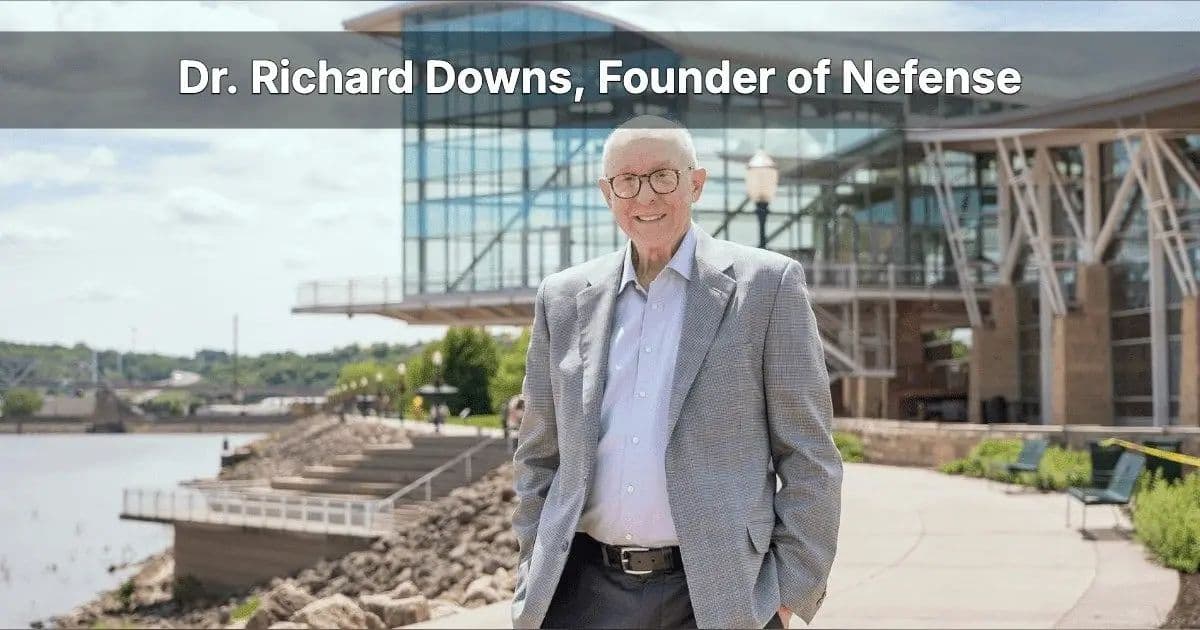
Dr. Richard Downs, a dental professional with advanced credentials, is focusing his work on what he identifies as a critical but often neglected factor in chronic health: poor breathing and sleep quality. His approach combines dental sleep medicine with antimicrobial technology to support airway function. This integrated strategy addresses both microbial and structural barriers to optimal respiration, positioning airway health as a foundational element for broader wellness outcomes.
Dr. Downs has developed two nasal spray products: Nefense HypoNasal and XyloClean. According to the announcement, these sprays are designed to reduce microbial load and support airway function safely. Early observational findings and user reports suggest these products may improve breathing and nasal airflow, though formal clinical studies are still in progress. The development of these topical interventions reflects a growing recognition of nasal hygiene's role in respiratory health, offering accessible tools for individuals struggling with breathing difficulties.
In addition to product development, Dr. Downs advances techniques in dental sleep medicine. A key method involves widening the upper dental arch to increase airway capacity, which is intended to enhance nasal airflow and breathing. This dental intervention represents a structural approach to improving respiratory health, moving beyond temporary symptom management to address anatomical limitations that can contribute to chronic breathing issues. By modifying dental architecture, this technique aims to create lasting improvements in airway patency and function.
The implications of this work are significant, as it targets airway health—a domain Dr. Downs connects to broader chronic health issues. By addressing nasal hygiene and structural airway limitations through both topical and dental means, his efforts aim to provide new avenues for improving sleep quality and overall well-being. This dual approach acknowledges that effective solutions for breathing-related health concerns may require addressing both microbial factors and physical obstructions simultaneously. More information about the announcement can be found at https://www.newsworthy.ai.
The integration of dental sleep medicine with antimicrobial technology represents an emerging frontier in healthcare, where oral health professionals are expanding their scope to address systemic health concerns. Dr. Downs' work highlights how interventions traditionally associated with dentistry can be applied to respiratory challenges, potentially offering new treatment pathways for conditions linked to poor breathing and sleep disruption. As research continues to establish connections between airway function and chronic diseases, approaches like those developed by Dr. Downs may gain increasing relevance in comprehensive health management strategies.