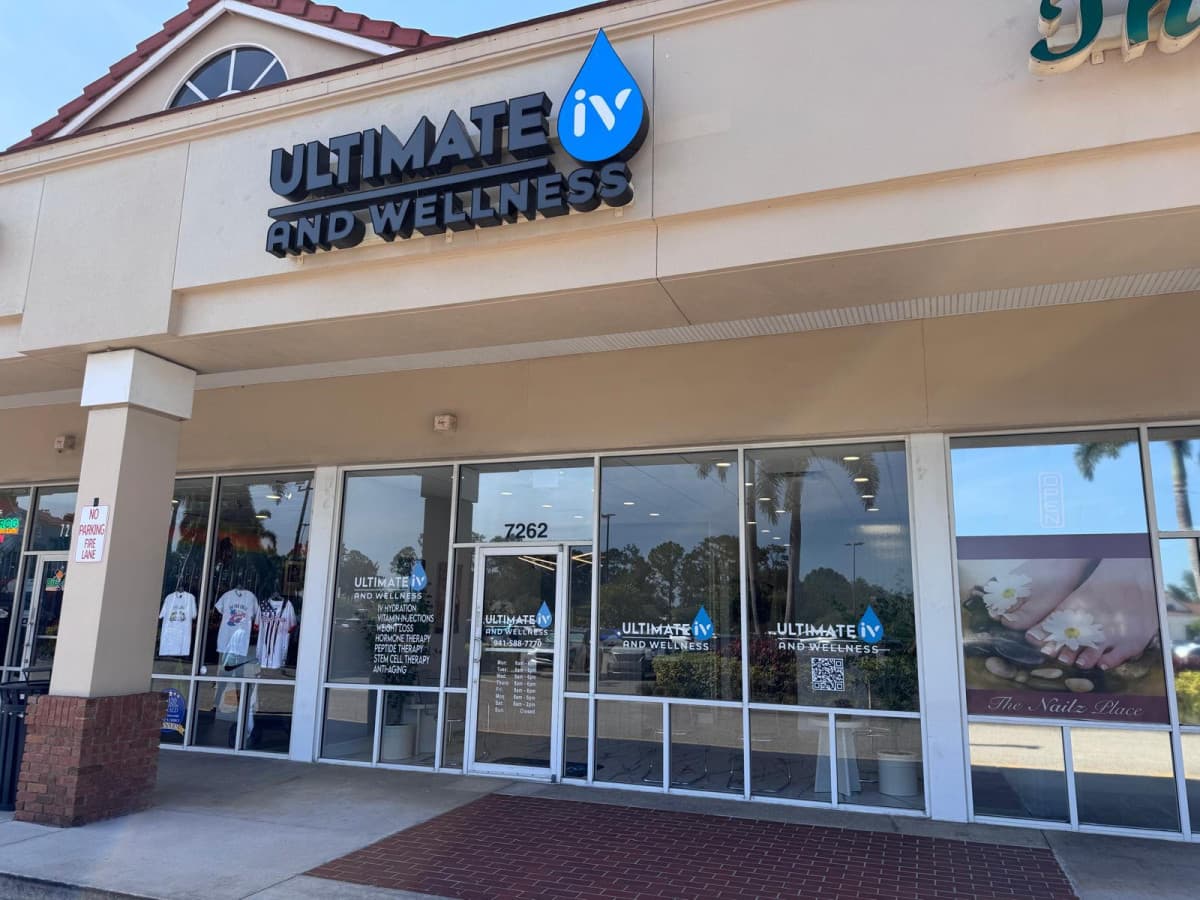
Ultimate IV And Wellness has unveiled an exclusive membership program designed to provide consistent, high-quality wellness care for clients seeking enhanced vitality and sustained well-being. The program addresses contemporary challenges such as burnout, low energy levels, compromised immunity, and performance issues through regular access to premium IV hydration and vitamin therapies. The membership structure includes three tiers: Platinum at $375 per month for the first 100 members, Premium at $228 monthly, and Essential at $180 monthly. Each tier offers varying combinations of IV therapies, injections, and discounts on additional services.
The Platinum membership, available as a limited-time offer, includes two premium IV therapies, two single-dose injections, and a NutraFi Vitamin Spray each month, along with substantial discounts on retail items and additional visits. Erica Barshay, Registered Nurse and Co-Founder of Ultimate IV And Wellness, emphasized that the program aims to deliver more than temporary treatments by providing a restorative, luxurious experience focused on lasting energy and accelerated recovery. The memberships cater to individuals looking for science-based care in a spa-like environment, combining medical expertise with personalized wellness solutions.
Treatments available through the memberships range from advanced hydration therapy to immune-enhancing vitamin infusions and regenerative NAD+ treatments, though certain premium services like Ultimate Supercharge IV and NAD+ therapies are excluded from the membership discounts. The program is positioned as a seamless way to incorporate wellness into daily life, targeting those who aspire to maintain youthfulness and robust health long-term. For more details on the membership options, visit https://www.ultimateivwellness.com/memberships.
The initiative reflects a growing trend toward subscription-based wellness models that prioritize accessibility and ongoing care over one-off treatments. This shift matters because it represents a fundamental change in how wellness services are delivered, moving from reactive, occasional treatments to proactive, integrated health management. The implications are significant for both consumers and the wellness industry, as it makes high-end therapies more accessible through predictable pricing while encouraging consistent engagement with health practices. By offering tiered options, the program democratizes access to treatments that were previously available only through expensive single sessions, potentially improving long-term health outcomes for a broader demographic. The model also signals a maturation of the wellness market, where value is placed on sustained results rather than temporary fixes, aligning with broader healthcare trends toward prevention and maintenance. This could influence other providers to adopt similar membership structures, increasing competition and innovation in personalized wellness care.