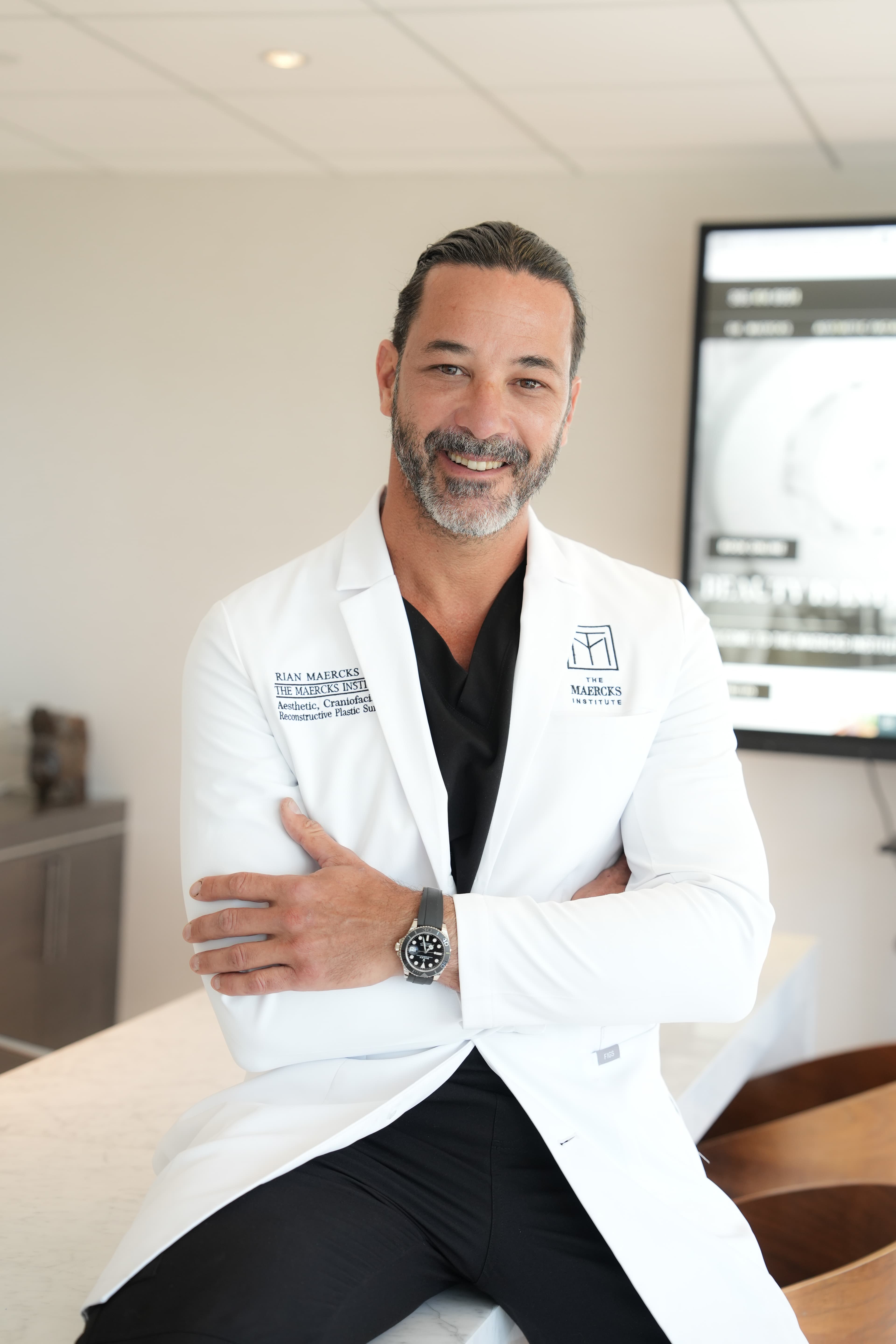
The Maercks Institute has recently unveiled a viral video featuring a young professional undergoing a deep plane composite facelift while completely awake, a procedure that is rewriting the rules of facial rejuvenation. This approach, known as the MAERCKS Lift™, eliminates the need for anesthesia, minimizes recovery time, and delivers results so natural they remain undetectable to others. The video not only highlights the technical prowess of Dr. Rian Maercks but also signals a cultural shift in the perception of facelifts, now seen as a viable option for younger individuals seeking to preserve their natural beauty without the telltale signs of surgery.
Traditionally, facelifts have been associated with older patients and lengthy recovery periods. However, the MAERCKS Lift™, with its emphasis on composite deep plane techniques and proprietary KEDGE Suspension, offers a painless, anxiety-free experience with no visible scarring or downtime. This innovative procedure caters to a new generation of high-achieving individuals who value discretion and efficiency, allowing them to return to their social and professional lives within 24 hours. The significance of this development extends beyond the aesthetic industry, reflecting a broader cultural pivot toward embracing surgical options that align with modern lifestyles.
The featured patient, a thriving young professional, chose the MAERCKS Lift™ to maintain her facial harmony and avoid the cycle of temporary treatments, embodying the desires of many in her demographic. Dr. Maercks' technique addresses the historical barriers to facelift surgery, offering a solution that preserves the patient's identity and lifestyle without compromise. This video has garnered global interest for its demonstration of how far facial rejuvenation techniques have come, providing a modern answer to the age-old desire for timeless beauty. The MAERCKS Lift™ stands as a testament to the possibilities of combining artistry, science, and innovation to meet the evolving needs of patients worldwide. The procedure represents a departure from conventional methods by focusing on composite techniques that integrate multiple facial layers for more natural outcomes.
The elimination of general anesthesia represents a major safety advancement, reducing risks associated with sedation while making the procedure accessible to patients who might otherwise avoid surgery. The minimal downtime aspect is particularly significant in today's fast-paced society where extended recovery periods are increasingly impractical. This development challenges long-standing assumptions about who seeks facial rejuvenation and when they might consider surgical options, potentially expanding the patient demographic to include younger individuals focused on prevention rather than correction. The cultural implications are substantial as well, normalizing cosmetic procedures that maintain rather than alter natural appearance, aligning with contemporary values of authenticity and subtle enhancement.