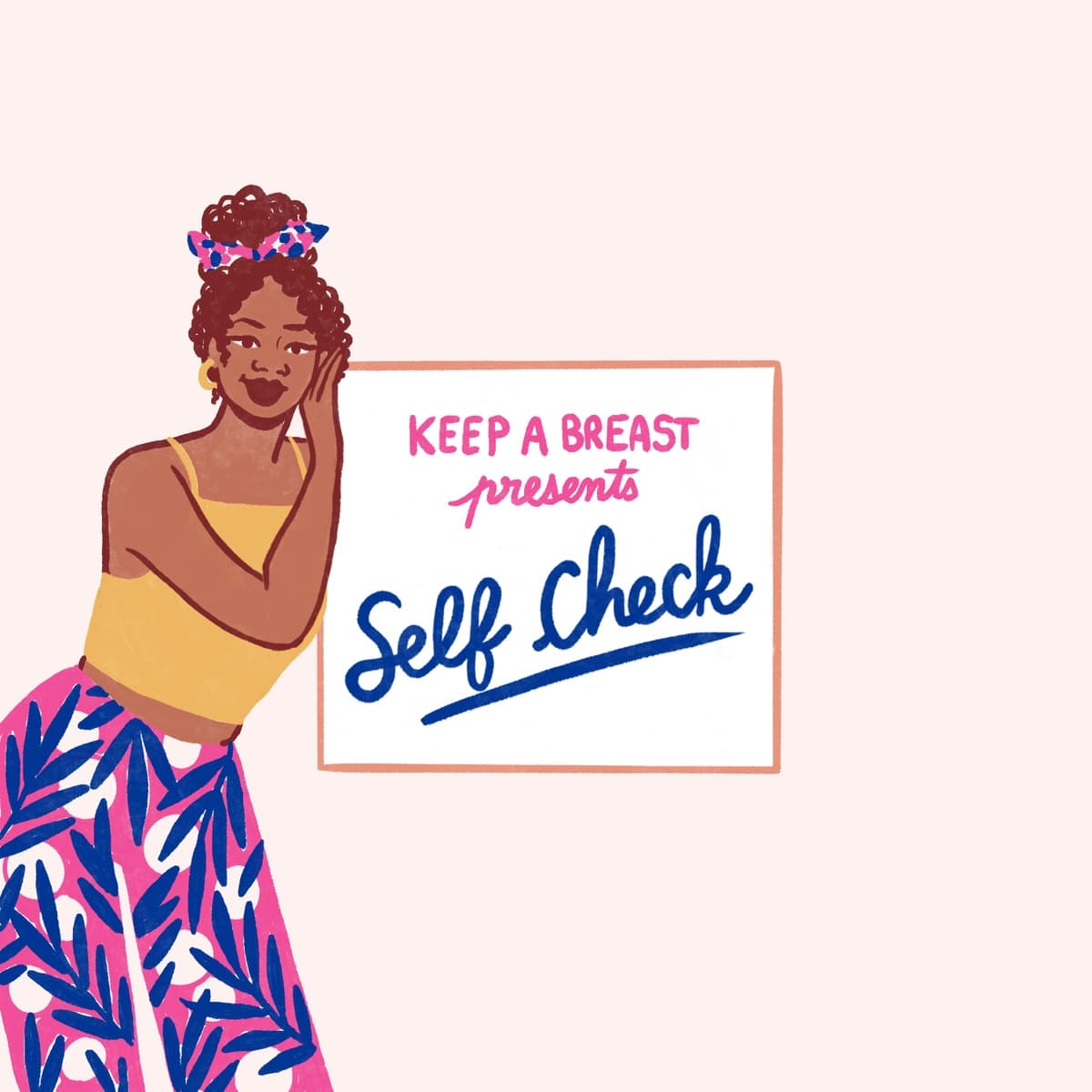
The Keep A Breast Foundation has introduced an animated video designed to educate and empower women about breast cancer prevention. Released on International Women's Rights Day, the video provides an accessible, creative approach to encouraging self-examination and early detection. Breast cancer remains the most frequently diagnosed cancer and leading cause of cancer-related deaths among women globally. However, the foundation emphasizes that early detection can significantly improve survival rates. The new animated video, available in French, English, and Spanish, seeks to make critical health information both informative and engaging.
Marquita Goodluck, the Give Back Grant Program Director for KAB USA and a breast cancer survivor, lends her voice to the project, adding personal depth and authenticity to the message. The video aims to break down taboos and provide young women with a clear, approachable resource for understanding their health. The digital campaign will extend beyond the video, featuring exclusive content including interviews, infographics, and personal testimonials. A participatory challenge will also encourage community engagement around breast cancer awareness and prevention.
Keep A Breast Foundation's Global CEO, Lorène Carpentier, highlighted the project's core mission: to create an inclusive, creative tool that empowers individuals to understand their bodies and take proactive steps in their health journey. The project was made possible through collaboration with talented professionals, including illustrator Eloïse Heinzer, creative director Laure Dorin, sound designer Théo Forstendicher, and production team Zeuxo Productions, with support from the Afnic Foundation. This initiative matters because it addresses a critical global health issue by making prevention education more accessible and engaging, potentially leading to earlier detection and improved outcomes for women worldwide. The use of animation and multiple languages helps overcome cultural and educational barriers, while the involvement of a breast cancer survivor adds credibility and emotional resonance to the message.
The video's release on International Women's Rights Day underscores the connection between health education and women's empowerment, positioning breast cancer prevention as a fundamental aspect of women's rights. By fostering community engagement through challenges and digital content, the campaign encourages collective action and reduces the stigma often associated with breast health discussions. This approach could serve as a model for other health organizations seeking to reach diverse audiences with vital information in an increasingly digital world.