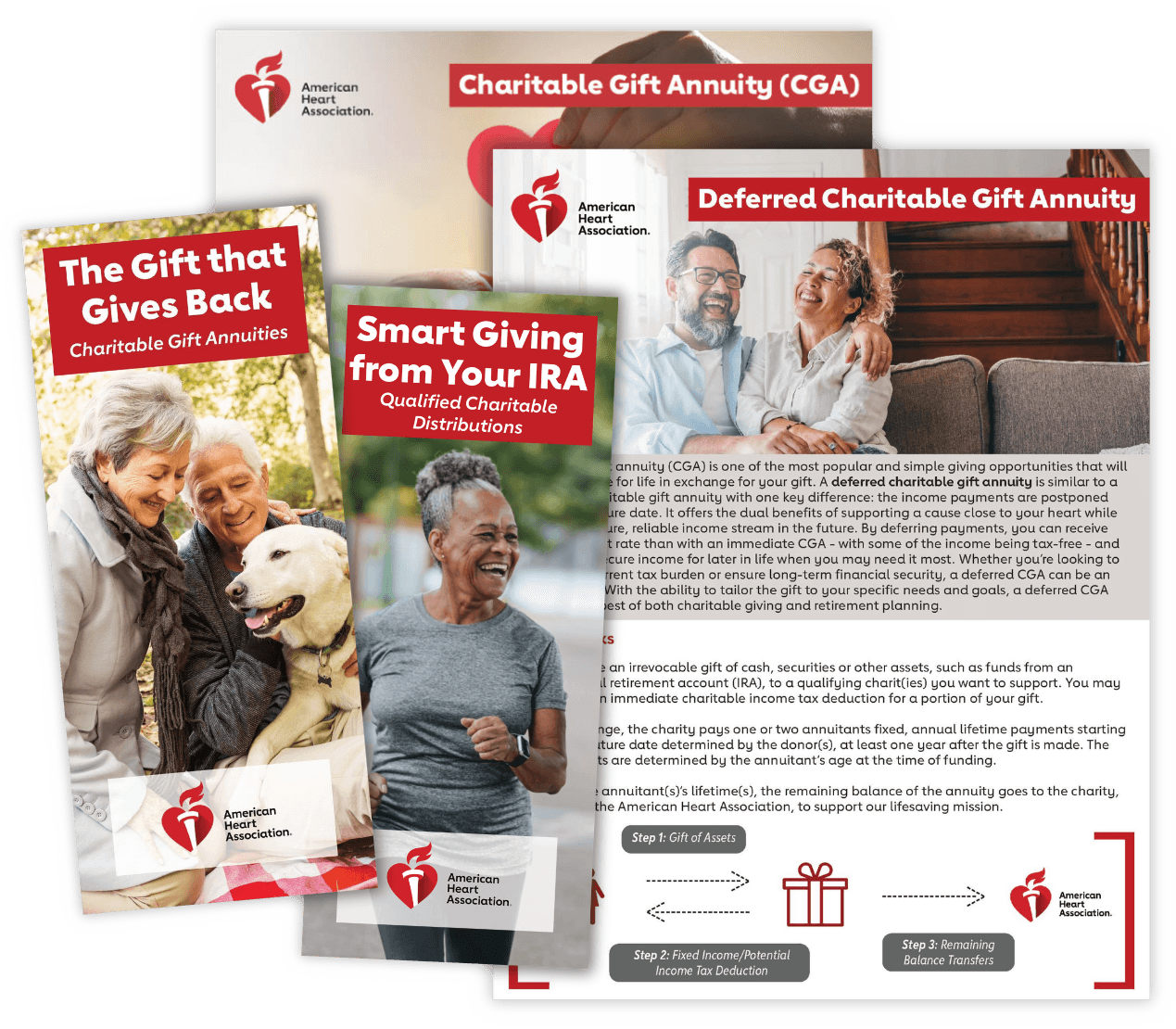
The American Heart Association is offering a free webinar on March 19 to educate individuals about strategic charitable giving methods that can benefit both personal finances and health research initiatives. The virtual event will focus on charitable gift annuities and qualified charitable distributions, which allow donors to support cardiovascular research while potentially securing their own financial stability. Research indicates that charitable giving offers benefits beyond monetary contributions, with studies suggesting associations with reduced stress levels and improved personal well-being.
Heart disease remains the leading cause of death in the United States, according to the Association's 2025 Heart Disease and Stroke Statistics Update. By promoting planned giving strategies, the organization aims to support its 2028 Impact Goal of driving scientific breakthroughs and implementing solutions in health research, policy, and care. The webinar will feature expert speakers Pamela Leonard, national executive lead of charitable estate planning, and Andrew Fussner, national vice president of estate settlement, who will guide participants through the complexities of planned giving.
Participants will learn how charitable gift annuities work, how they can be integrated into retirement planning, and the potential financial advantages of strategic charitable contributions. The interactive session will offer attendees an opportunity to ask questions and receive personalized resources to help develop their giving strategies. Donors who choose legacy gifts through charitable financial planning will be recognized in the Paul Dudley White Legacy Circle, named after one of the organization's founders who is considered the father of preventative cardiology.
This recognition honors those who contribute to advancing cardiovascular research and treatment. The webinar represents an important opportunity for individuals to explore how they can simultaneously secure their financial future and make a meaningful contribution to critical health initiatives. The American Heart Association's approach demonstrates how nonprofit organizations can create mutually beneficial relationships with donors through financial planning tools that serve both philanthropic and personal objectives.