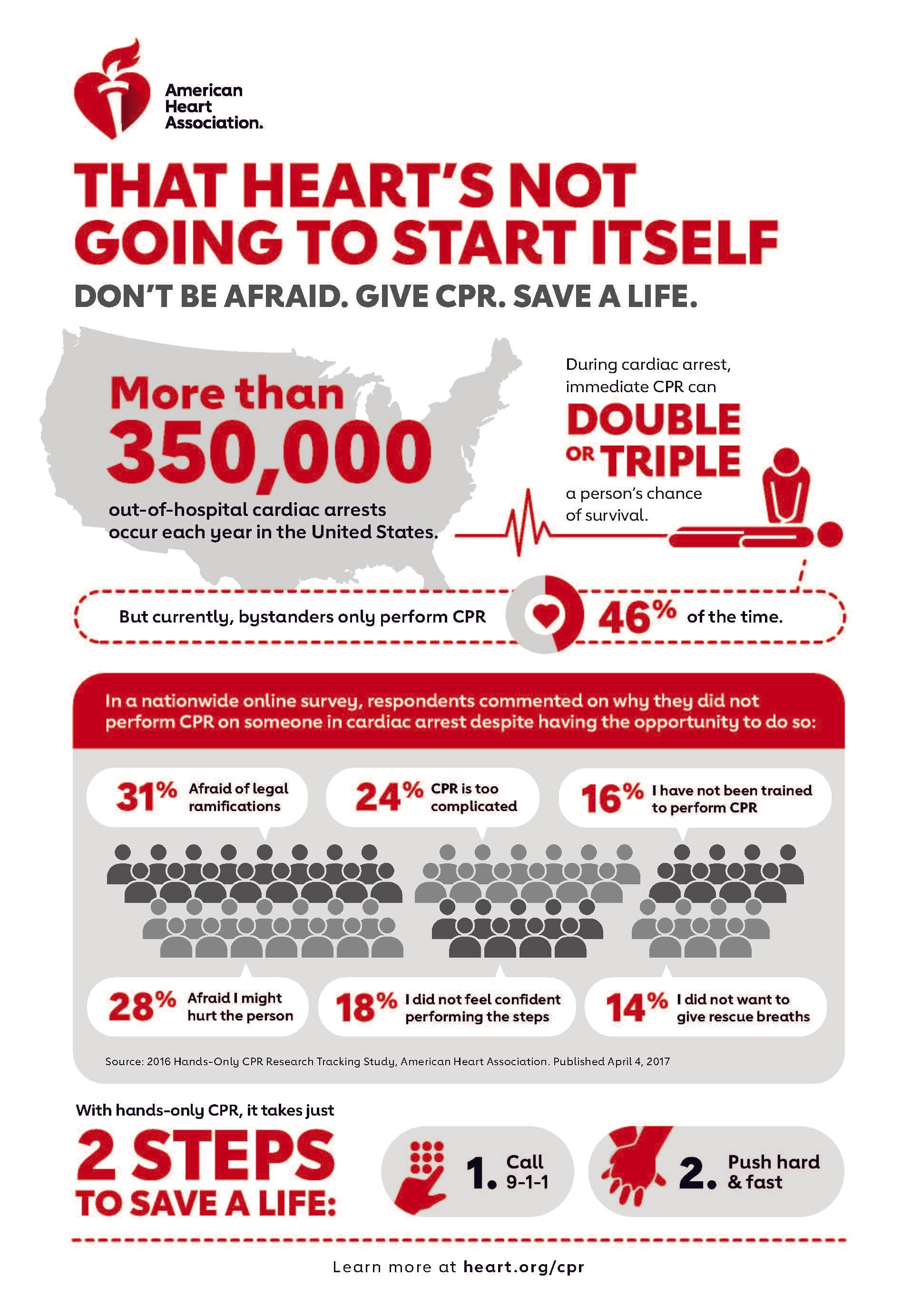
Cardiac arrest, where the heart suddenly stops beating, has a 90% fatality rate for out-of-hospital cases, yet only 40% of victims receive immediate assistance before emergency responders arrive. This gap underscores a critical need for public awareness and response. Unlike a heart attack, which involves blocked blood flow, cardiac arrest is an electrical issue triggered by an irregular heartbeat, preventing blood from reaching vital organs and leading to death within minutes without prompt intervention.
Early recognition and swift action are crucial for survival. Cardiopulmonary resuscitation and automated external defibrillator use can significantly improve outcomes. CPR maintains blood flow until a defibrillator can restore normal heart rhythm, buying time for medical help. Several conditions can cause cardiac arrest, including heart attacks, hypertrophic cardiomyopathy—a thickening of the heart muscle often seen in young athletes—and commotio cordis, a rare phenomenon from a chest blow at a specific point in the heart's electrical cycle.
With an estimated 350,000 out-of-hospital cardiac arrests annually in the United States, widespread CPR training is essential. About 70% occur in homes or private residences, making it likely a friend or family member will need to respond. Hands-Only CPR, involving chest compressions without mouth-to-mouth resuscitation, is equally effective in initial minutes and easier for bystanders to learn. The American Heart Association leads efforts to increase CPR awareness through initiatives like the Nation of Lifesavers movement, aiming to double survival rates by 2030.
Legislative action supports these efforts, such as the Cardiomyopathy Health Education, Awareness, Research and Training in Schools Act, ensuring schools are prepared with response plans, CPR training, and AED availability. While physical response is vital, the psychological impact on responders should not be overlooked, as performing CPR can be traumatic, potentially leading to post-traumatic stress disorder, especially if resuscitation fails. Support for bystanders to process experiences is key to comprehensive cardiac emergency preparedness. Public engagement through CPR learning and understanding the urgency of action can improve survival rates and build community resilience against this life-threatening condition.