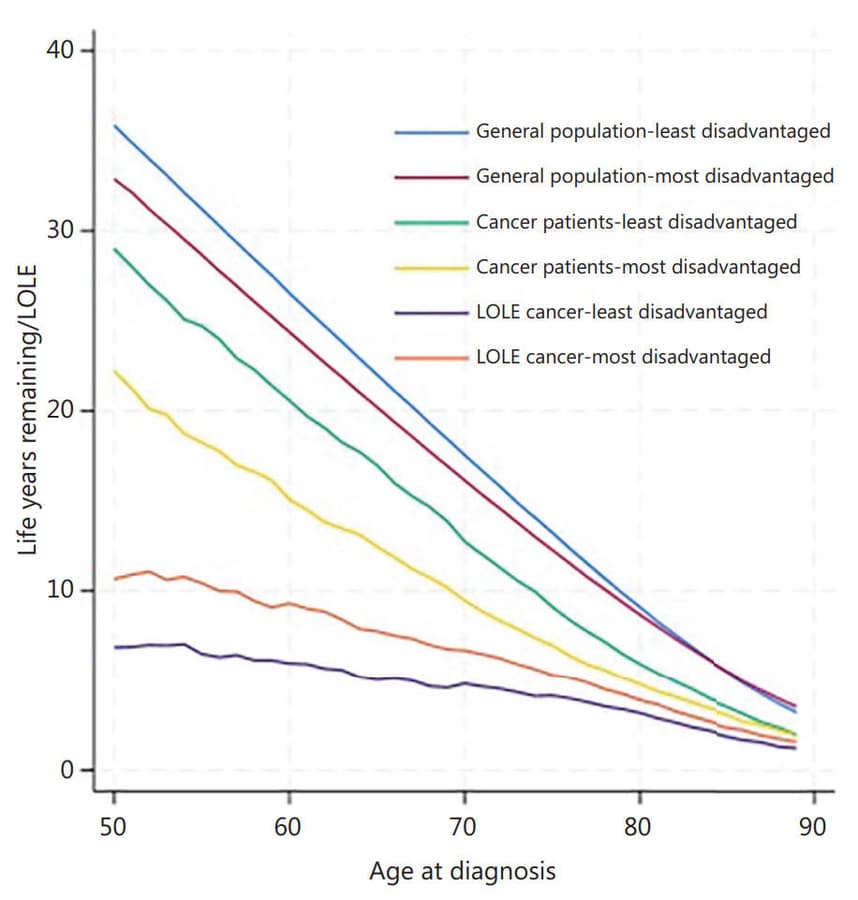
A recent study published in Cancer Biology & Medicine has uncovered a stark reality facing cancer patients: their socioeconomic status plays a crucial role in determining their life expectancy post-diagnosis. The research, conducted by The Daffodil Centre in collaboration with Cancer Council Queensland, analyzed data from over 422,000 cancer patients in New South Wales, Australia, aged 50 to 89, who were diagnosed between 2001 and 2019. The findings reveal a clear and concerning link between patients' area-level socioeconomic status and their life expectancy following a cancer diagnosis.
Patients from the most disadvantaged areas faced a significantly greater loss in life expectancy compared to those from more affluent backgrounds. This disparity was particularly pronounced in cancers with typically higher survival rates, such as prostate and breast cancer. Perhaps most alarmingly, the study found that the socioeconomic gap was most evident among patients diagnosed at earlier cancer stages. This highlights a critical issue in healthcare delivery, suggesting that even when early detection occurs, patients from lower socioeconomic backgrounds face additional hurdles in accessing quality treatment and care.
Dr. Xue Qin Yu, the study's principal investigator, emphasized the broader implications of these findings: "Our findings clearly show that the battle against cancer is not just a matter of medical treatment; it's also about overcoming the challenges posed by socioeconomic inequalities." Dr. Yu stressed the importance of prioritizing early detection and ensuring better access to treatments in underserved communities to improve both life expectancy and quality of life for cancer patients. The study's results have significant implications for cancer care policies and practices.
To address the life expectancy gap, healthcare systems must focus on improving early detection methods and ensuring equitable access to treatment, particularly in underserved areas. Policymakers are urged to direct resources to communities most affected by these disparities, while healthcare providers must be equipped to deliver care tailored to the socioeconomic realities of their patients. This research underscores the need for a holistic approach to cancer care that goes beyond medical treatment alone. By addressing socioeconomic factors, healthcare systems can work towards providing comprehensive support for all cancer patients, regardless of their economic status, to help them lead healthier lives post-diagnosis.
The study, published in Cancer Biology & Medicine, provides valuable insights that could guide future healthcare policies and interventions. It highlights the urgent need for targeted strategies to reduce socioeconomic disparities in cancer outcomes, ensuring that advancements in cancer treatment benefit all patients equally, regardless of their background or location. As the global community continues to make strides in cancer research and treatment, this study serves as a crucial reminder that progress must be inclusive.
By addressing the socioeconomic factors that influence cancer outcomes, healthcare systems can work towards a future where a cancer diagnosis does not disproportionately impact those from disadvantaged backgrounds. The research calls for a concerted effort from healthcare providers, policymakers, and community leaders to implement strategies that bridge the gap in cancer care. This may include targeted outreach programs, improved access to screening services in underserved areas, and initiatives to enhance the quality of care available to all patients, regardless of their socioeconomic status. As the fight against cancer continues, this study highlights the importance of considering socioeconomic factors in developing comprehensive cancer care strategies.