The ENBALV trial, conducted in Japan and presented at the American Heart Association's Scientific Sessions 2024, compared edoxaban to warfarin in approximately 400 adults who had undergone bioprosthetic heart valve replacement surgery. The study found that only 0.5% of patients receiving edoxaban experienced a stroke or systemic embolism, compared to 1.5% of those on warfarin. This finding suggests edoxaban may be equally or more effective than warfarin in reducing these risks for post-operative heart valve patients.
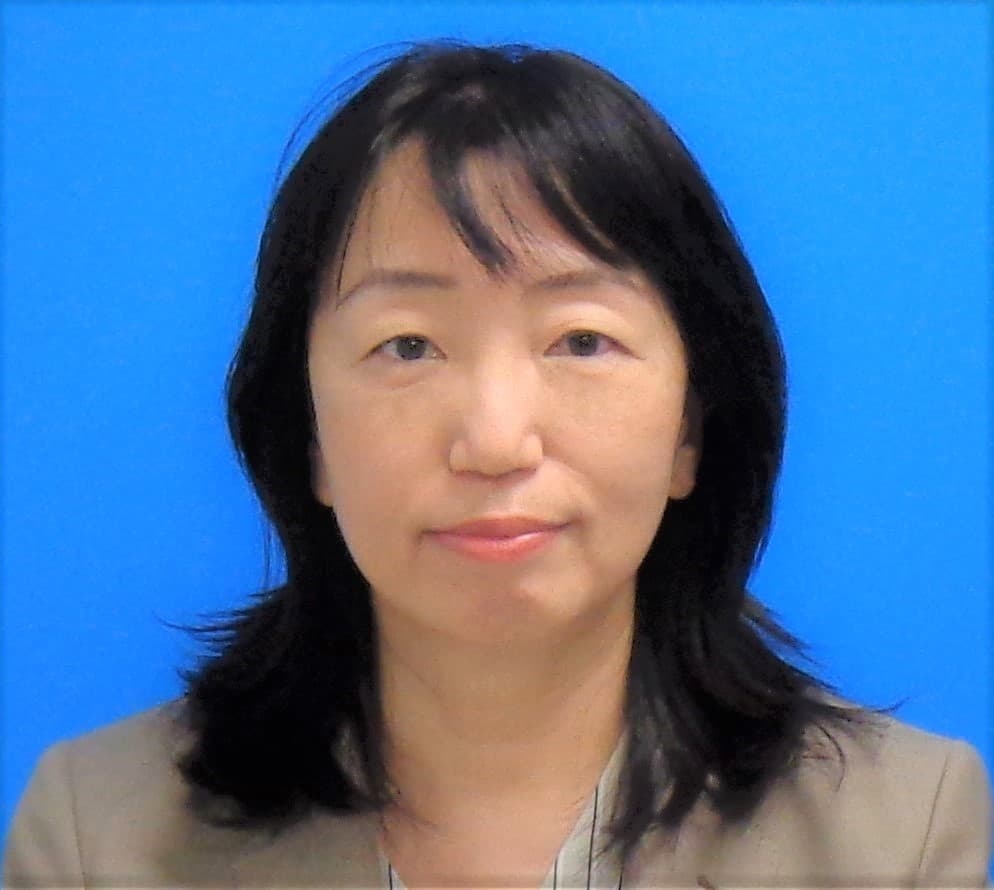
Lead study author Chisato Izumi, M.D., Ph.D., of the National Cerebral and Cardiovascular Center in Suita, Japan, emphasized the potential benefits of edoxaban for patients. Unlike warfarin, which requires frequent blood tests and has numerous food and drug interactions, edoxaban can be taken in a fixed dose without these complications. This could significantly improve quality of life for patients recovering from heart valve surgery by offering a simpler and more convenient treatment option.
The study also revealed important safety considerations. While major bleeding occurred in 4.1% of the edoxaban group compared to 1% in the warfarin group, there were no instances of fatal bleeding or intracranial hemorrhage in the edoxaban group. However, patients on edoxaban did experience higher rates of gastrointestinal bleeding (2.1% vs. 0% for warfarin). Importantly, no cases of intracardiac thrombus were observed in the edoxaban group, while 1% of patients in the warfarin group experienced this complication, further supporting edoxaban's efficacy in preventing dangerous blood clots.
The implications of this study are significant for cardiovascular medicine. Currently, treatment guidelines recommend anticoagulant therapy for patients after heart valve replacement surgery, with warfarin being the standard medication. The potential for edoxaban to offer a viable alternative could lead to improved patient outcomes and satisfaction. However, the researchers noted that further investigation is needed to identify patients at highest risk for bleeding with edoxaban and to develop strategies to mitigate this risk. Additionally, the effectiveness and safety of other direct oral anticoagulants in this context warrant further study.
It is important to note that this study has some limitations. As an open-label trial, there is potential for bias since both healthcare professionals and participants were aware of which medication was being administered. Furthermore, the study did not include patients undergoing transcatheter valve replacements, limiting its applicability to all types of heart valve procedures. Despite these limitations, the findings represent a significant step forward in managing patients following heart valve replacement surgery. As the medical community continues to seek ways to improve patient care and outcomes, the potential of edoxaban to offer a more convenient and equally effective alternative to warfarin is a promising development that could shape future treatment protocols in cardiovascular medicine.