

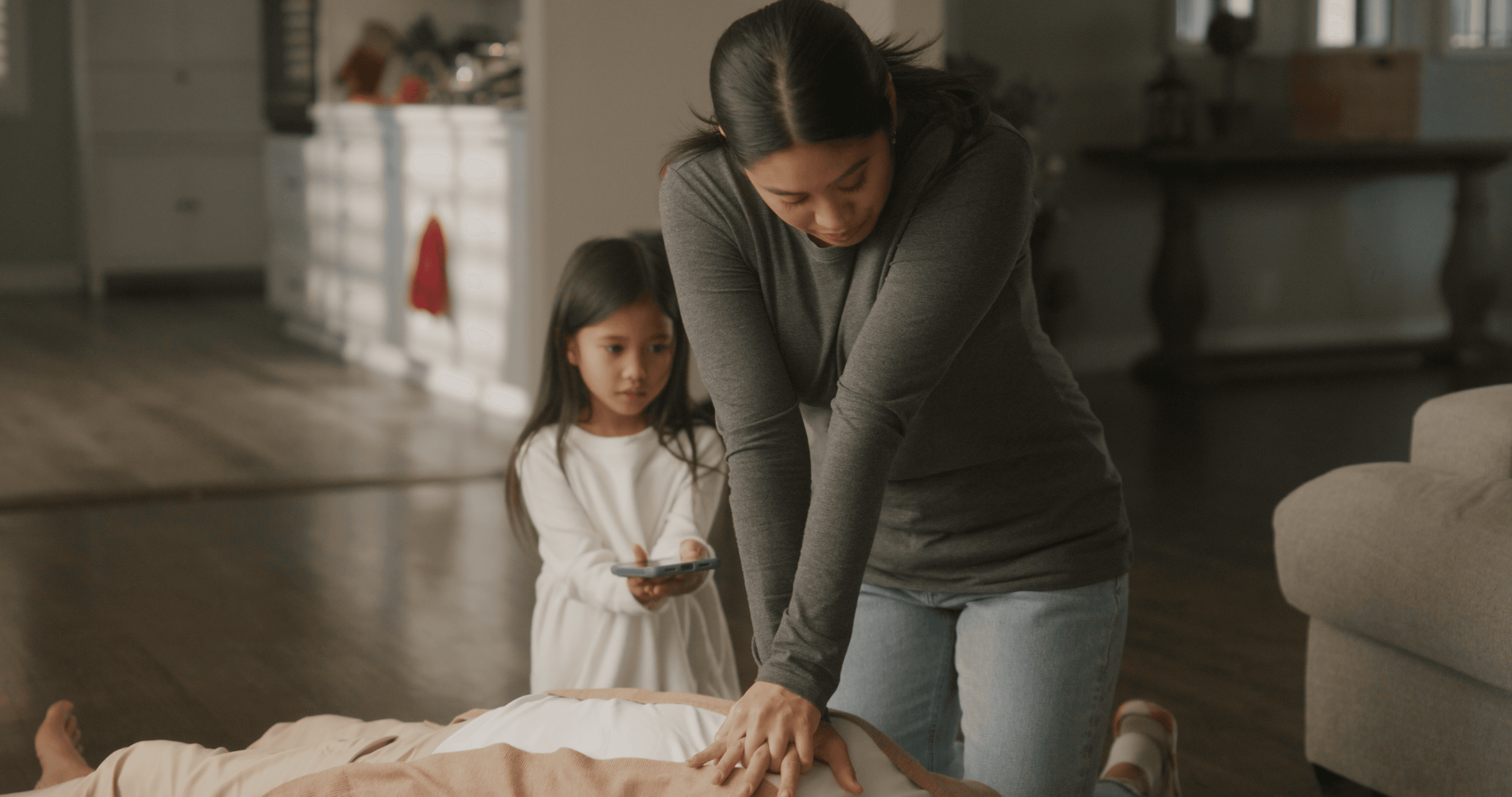
The American Heart Association's Resuscitation Science Symposium 2024 featured a study revealing that bystander-initiated cardiopulmonary resuscitation can substantially increase survival rates and protect brain function in out-of-hospital cardiac arrest cases, even when performed up to 10 minutes after the event. The research analyzed nearly 200,000 out-of-hospital cardiac arrest cases in the United States from 2013 to 2022, finding that individuals who received CPR within two minutes of cardiac arrest had 81% higher odds of survival to hospital discharge and 95% higher odds of favorable neurological outcomes compared to those who did not receive bystander CPR.
Dr. Evan O'Keefe, the study's lead author and cardiovascular fellow at Saint Luke's Mid America Heart Institute, emphasized the importance of immediate action, stating that every second counts when starting bystander CPR and even a few minutes delay can make a big difference. The study also revealed that even when CPR was initiated up to 10 minutes after cardiac arrest, there was still a significant survival benefit compared to cases where no bystander CPR was administered. Individuals receiving CPR within this timeframe were 19% more likely to survive to hospital discharge and 22% more likely to have a favorable neurological outcome.
These findings have important implications for public health policy and emergency response systems. Dr. O'Keefe suggested that the results highlight the need for more widespread CPR training programs, improved public access to automated external defibrillators, and enhanced dispatch systems to reduce response times. Dr. Anezi Uzendu, an American Heart Association volunteer expert and cardiac arrest survivor, underscored the importance of community education and empowerment in saving lives, noting that time is of the essence when a cardiac arrest occurs.
The study's results could have far-reaching implications for emergency services dispatchers and policymakers in developing public interventions for cardiac arrest. Future research may explore how technology, such as apps that alert nearby trained bystanders or dispatchers to likely cardiac arrests, could further reduce the time to first intervention. This research aligns with the American Heart Association's goal to double survival rates from sudden cardiac arrest by 2030 through its Nation of Lifesavers initiative.
While the study provides compelling evidence for the benefits of rapid bystander CPR, it is important to note that the research is preliminary and has not yet been peer-reviewed or published in a scientific journal. Additionally, the study's limitation of comparing bystander CPR at 10 minutes to professional medical attention should be considered when interpreting the results. As cardiac arrest remains a significant public health issue, with more than 357,000 out-of-hospital cases occurring annually in the U.S. and a survival rate of only 9.3%, this research underscores the critical role that informed and prepared bystanders can play in improving outcomes and saving lives.